Small-Bay vs. Big-Box Industrial: What the Vacancy Gap Means for Tenants and Operators in 2026
Key Takeaways
- Small-bay industrial vacancy sits at roughly 3.4–4.2% nationally — about half the 7.4% rate for big-box. The gap is structural, not cyclical.
- Developers don’t build small bay because multi-tenant projects are more complex to finance, build, and manage than single-tenant big-box. This means very little new small-bay supply has entered the market in over a decade.
- Small-bay rents have climbed over 40% since 2020, driven by durable local demand from contractors, ecommerce operators, food producers, and small manufacturers.
- For operators, repositioning underperforming big-box into multi-tenant small-bay buildings is one of the highest-conviction plays in industrial — converting a half-vacant 100K SF warehouse at $6/SF into 40 units at $14–$18/SF.
The industrial real estate market isn’t one market. It’s at least two — and they’re moving in opposite directions.
Big-box industrial (100,000+ SF distribution centers) is working through the largest supply wave in decades. National vacancy for large-format industrial has risen to roughly 7.4%, with some Sun Belt markets pushing past 10%. Developers built aggressively in 2021–2023, and much of that product is still looking for tenants.
Small-bay industrial (units under 10,000 SF) tells the opposite story. National vacancy sits at roughly 3.4–4.2%, depending on the source and size cutoff. Rents have climbed over 40% since 2020. New construction is virtually nonexistent. And the tenants filling these spaces — contractors, ecommerce operators, small manufacturers, food producers — aren’t going anywhere.
The gap between these two segments is the most important trend in industrial real estate right now. Here’s why it exists, why it’s widening, and what it means whether you’re searching for warehouse space or leasing it.
The Numbers: Two Markets, Two Realities
~3.5%
Small-Bay Vacancy
7.4%
Big-Box Vacancy
40%+
Small-Bay Rent Growth Since 2020
$5.9B
Small-Bay Transactions (Q2 2025)
| Metric | Small Bay (<10,000 SF) | Big Box (100,000+ SF) |
|---|---|---|
| National Vacancy | ~3.4–4.2% | ~7.4% |
| Rent Growth Since 2020 | 40%+ | Moderating / flat in some markets |
| New Construction | Near zero | Massive pipeline delivering through 2026 |
| Typical Tenant | Local businesses, SMEs, contractors | National logistics, 3PLs, retailers |
| Lease Terms | Shorter, more flexible | Long-term (5–10 year) |
| Asking Rents | $12–$28/SF | $6–$12/SF |
These aren’t rounding errors. Small-bay vacancy is running at roughly half the rate of big-box. And the structural reasons behind that gap aren’t cyclical — they’re baked into how industrial real estate gets built.
Why Nobody Builds Small Bay
This is the single most important thing to understand about the segment: developers don’t build small-bay industrial because the economics don’t pencil for new construction.
A developer evaluating a 10-acre industrial site will almost always choose to build one 200,000 SF distribution center rather than four 50,000 SF multi-tenant buildings with 40 small-bay units each. The math is straightforward. The big-box project has one tenant, one lease negotiation, one TI package (that’s tenant improvements — the buildout the landlord funds to get the space ready), and simpler financing. The small-bay project has 40 tenants, 40 leases, 40 different buildout requirements, and a lender who’s less familiar with the product type.
Per-square-foot construction costs are similar. Revenue per square foot is actually higher for small bay — those tenants pay a premium for smaller, flexible spaces. But the management complexity and lease-up timeline make most developers and their capital partners choose the simpler path.
The result is structural undersupply. Very little new small-bay product has entered the market in over a decade. The buildings housing most small-bay tenants today were built in the 1980s and 1990s. And every year that passes without new supply, the vacancy gap widens.
Who’s Filling Small-Bay Space (And Why They’re Not Leaving)
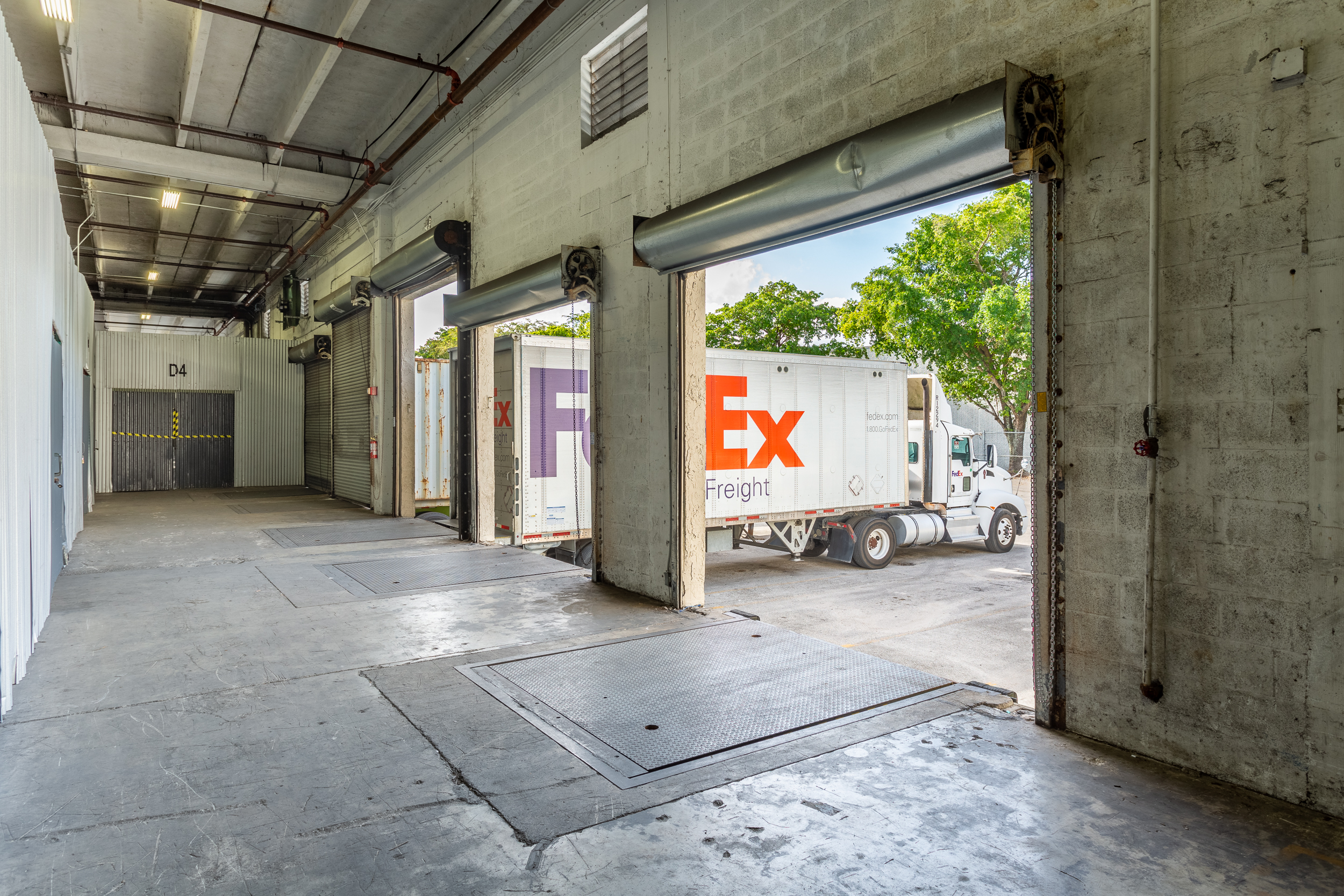
Big-box tenants are national and global logistics operators — Amazon, FedEx, XPO, major retailers. When the economy slows, they optimize: consolidating facilities, subleasing excess space, delaying expansion. That’s how big-box vacancy spikes. The decisions are centralized, the spaces are interchangeable, and the tenant base is concentrated.
Small-bay tenants are different. They’re local. They’re operating businesses that require physical space to function — not optimizing a logistics network. A plumber needs a shop to store equipment and materials. An ecommerce seller needs a warehouse to pick, pack, and ship. A food producer needs a licensed commercial kitchen with cold storage. A contractor needs a yard and a bay.
These tenants don’t sublease excess space when the economy softens because they don’t have excess space. They leased exactly what they needed. Their demand is tied to local economic activity — construction, home services, local commerce — not to national retail sales or container import volumes.
That’s why small-bay vacancy stays tight through cycles that push big-box vacancy into the high single digits. The demand is local, durable, and sticky.
Looking for small-bay warehouse space?
Search Listings on WareCREWhat This Means If You’re Looking for Small-Bay Space
If you’re a business searching for 500–5,000 SF of warehouse space, the tight market has practical implications.
Expect limited options. In most metros, the number of available small-bay units at any given time is a fraction of what’s available in the 50,000+ SF range. You may need to expand your geographic search radius or consider neighborhoods you hadn’t initially targeted.
Pricing reflects scarcity. Small-bay rents run higher per square foot than big-box — typically $12–$28/SF depending on the market, compared to $6–$12/SF for large-format space. That premium reflects the convenience, flexibility, and scarcity of the product.
Pro Tip
Most warehouse leases are triple-net (NNN), meaning taxes, insurance, and maintenance get added on top of your base rent — typically 15–30% more than the listed rate. Always compare all-in rent, not base rent. WareCRE listings include the lease type so you can compare apples to apples.
Co-warehousing offers flexibility. If a traditional 3–5 year lease feels like too much commitment — or if you can’t find available space on conventional terms — co-warehousing operators offer month-to-month or short-term warehouse units. The tradeoff is typically higher per-SF cost in exchange for flexibility and shorter commitments.
Read the market report before you tour. WareCRE publishes free market reports for 18+ metros with vacancy rates, rent trends, and small-bay performance data. Knowing what businesses in your market are paying gives you a baseline before you negotiate.
What This Means If You Own or Operate Small-Bay Space
If you’re a building owner or co-warehousing operator with small-bay units, the fundamentals are working in your favor — and that’s unlikely to change soon.
Pricing power is real. With vacancy below 4% nationally and no meaningful new supply on the horizon, operators can hold firm on rents. The tenants filling small-bay space don’t have easy alternatives — they can’t downsize into a storage unit (no loading dock, no power, no zoning) and they can’t upsize into a 50,000 SF distribution center.
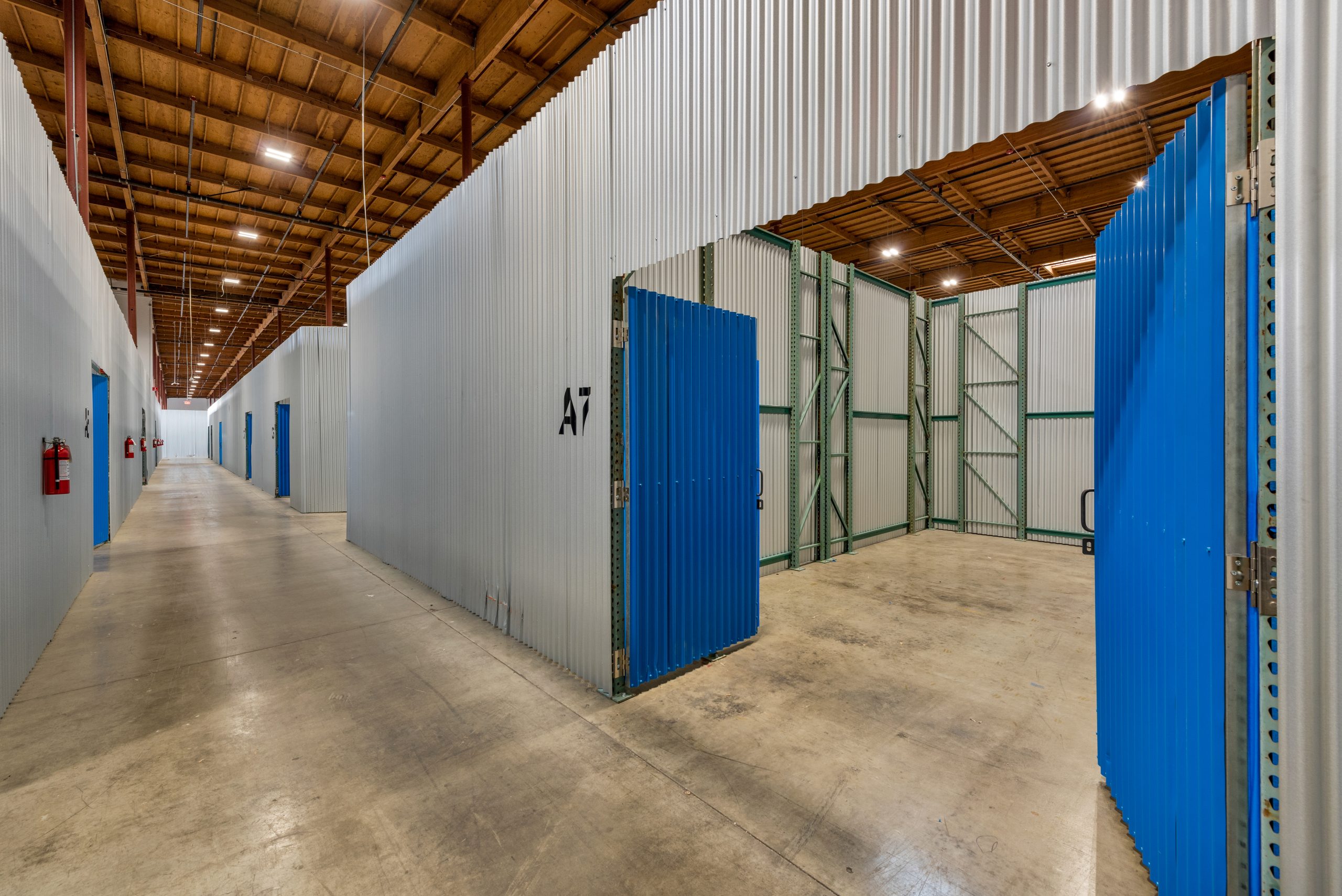
Repositioning is the growth play. The most compelling opportunity in industrial real estate right now may be converting underperforming big-box or flex assets into multi-tenant small-bay buildings. A half-vacant 100,000 SF warehouse generating $6/SF in rent can be repositioned into 40 units at 2,500 SF each, generating $14–$18/SF. The capital expenditure is meaningful — demising walls, separate electrical meters, HVAC, fire suppression — but the rent premium and occupancy stability justify it.
Investors are catching on. Small-bay industrial transactions in the $5–25 million range totaled nearly $5.9 billion in Q2 2025 alone. Average sale prices have risen 55% since 2020 to $104/SF. Institutional capital that spent the last decade chasing big-box logistics is now looking at the vacancy and rent data for small bay and asking why it took them so long.
Visibility drives occupancy. The tenants searching for small-bay space — the contractor, the ecommerce seller, the food startup — are searching online. “Warehouse space near me” and “small warehouse for rent” are high-volume queries in every major metro. The question isn’t whether tenants are looking for your space. It’s whether they can find it. Listing on a marketplace built for the under-10,000 SF segment — rather than a platform that buries small-bay units under big-box results — is the difference.
The Outlook: Why the Gap Stays
Three forces keep the small-bay vs. big-box performance gap in place for the foreseeable future.
Supply stays constrained. Construction economics haven’t changed. Developers still prefer the simpler path of building big-box. Until modular construction or other innovations reduce the cost and complexity of multi-tenant small-bay development, new supply will remain minimal.
Demand keeps compounding. The tenant base for small-bay space grows with the economy. Every new ecommerce business, every contractor expanding from a garage, every food brand moving from a commercial kitchen to a dedicated production space — they all need small-bay industrial. This demand is diffuse, local, and growing in every metro.
Tariffs and reshoring add fuel. The tariff environment in 2026 is accelerating reshoring and nearshoring activity. Manufacturers bringing production back to the U.S. or shifting supply chains to Mexico often start with small-bay space — assembly, kitting, quality control, regional distribution. This is incremental demand hitting a segment with no incremental supply.
The performance gap between small-bay and big-box isn’t a temporary dislocation. It’s a structural feature of how industrial real estate gets built, financed, and occupied. The segment most platforms ignore is the one outperforming.
WareCRE covers the small-bay and co-warehousing segment that traditional CRE platforms underserve. Free market reports for 18+ metros. Transparent listings with real pricing.
Free market reports. Transparent listings. No broker required.
WareCRE covers the small-bay and co-warehousing segment that traditional CRE platforms underserve. Search listings across 40+ markets with real pricing.
Search Small-Bay Listings