The Complete Guide to Industrial Real Estate: Space Types, Leasing & Property Specs
Key Takeaways
- Industrial real estate spans multiple property types — from small bay flex space to large distribution centers — each with different specs, pricing, and use cases
- Lease structures (NNN, gross, modified gross) dramatically affect your all-in cost — understanding the differences can save thousands per year
- Property specifications like ceiling height, dock access, and power capacity determine whether a space actually works for your operation
- This guide connects you to detailed resources on every aspect of finding, evaluating, and leasing industrial space
Industrial real estate is the fastest-growing commercial property sector in North America, but it’s also one of the least understood — especially for businesses leasing warehouse space for the first time. Unlike office or retail, industrial space comes with a unique set of property types, lease structures, and physical specifications that directly affect whether a space works for your operation or becomes an expensive mistake.
This guide brings together everything WareCRE has published on industrial real estate fundamentals into a single resource. Whether you’re a small business owner looking for your first warehouse, a broker advising clients on industrial space, or an investor evaluating the small bay segment, you’ll find practical, detailed guides on every aspect of the industrial leasing process.
Each section below summarizes the key concepts and links to our in-depth articles for the full picture. Start with whatever’s most relevant to your situation — there’s no need to read everything in order.
Industrial Property Types at a Glance
Before diving into the details, here’s a quick comparison of the major industrial property types you’ll encounter. The right type depends on your operation, budget, and how much space you actually need.
| Property Type | Typical Size | Ceiling Height | Dock Access | Best For |
|---|---|---|---|---|
| Small Bay | 500–5,000 SF | 12–16 ft | Drive-in / Grade-level | Small businesses, e-commerce, contractors |
| Flex Space | 2,000–15,000 SF | 14–20 ft | Grade-level / Some docks | Office + warehouse combo, light manufacturing |
| Mid Bay | 10,000–50,000 SF | 20–28 ft | Dock-high + drive-in | Regional distribution, manufacturing |
| Bulk Distribution | 100,000+ SF | 32–40 ft | Multiple dock-high doors | National distribution, 3PL, major fulfillment |
| Cold Storage | 5,000–200,000 SF | 20–36 ft | Dock-high with seals | Food, pharma, temperature-sensitive goods |
Understanding Industrial Space Types
The term “warehouse” covers a wide range of property types, and picking the wrong one is one of the most common — and costly — mistakes businesses make when entering the industrial market. A small e-commerce operation doesn’t need a 100,000 SF distribution center with 36-foot ceilings, and a regional 3PL can’t operate out of a 1,500 SF flex unit.
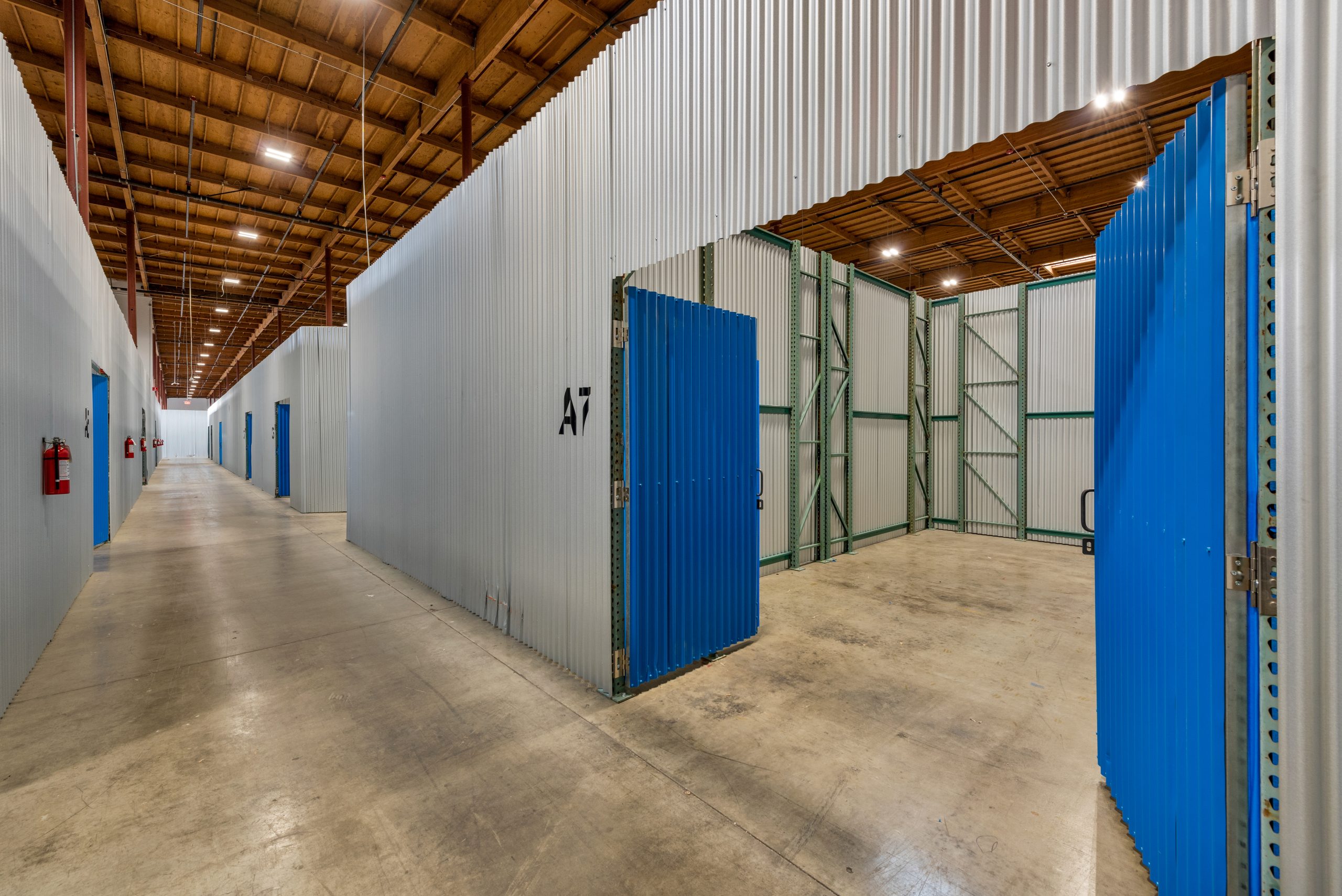
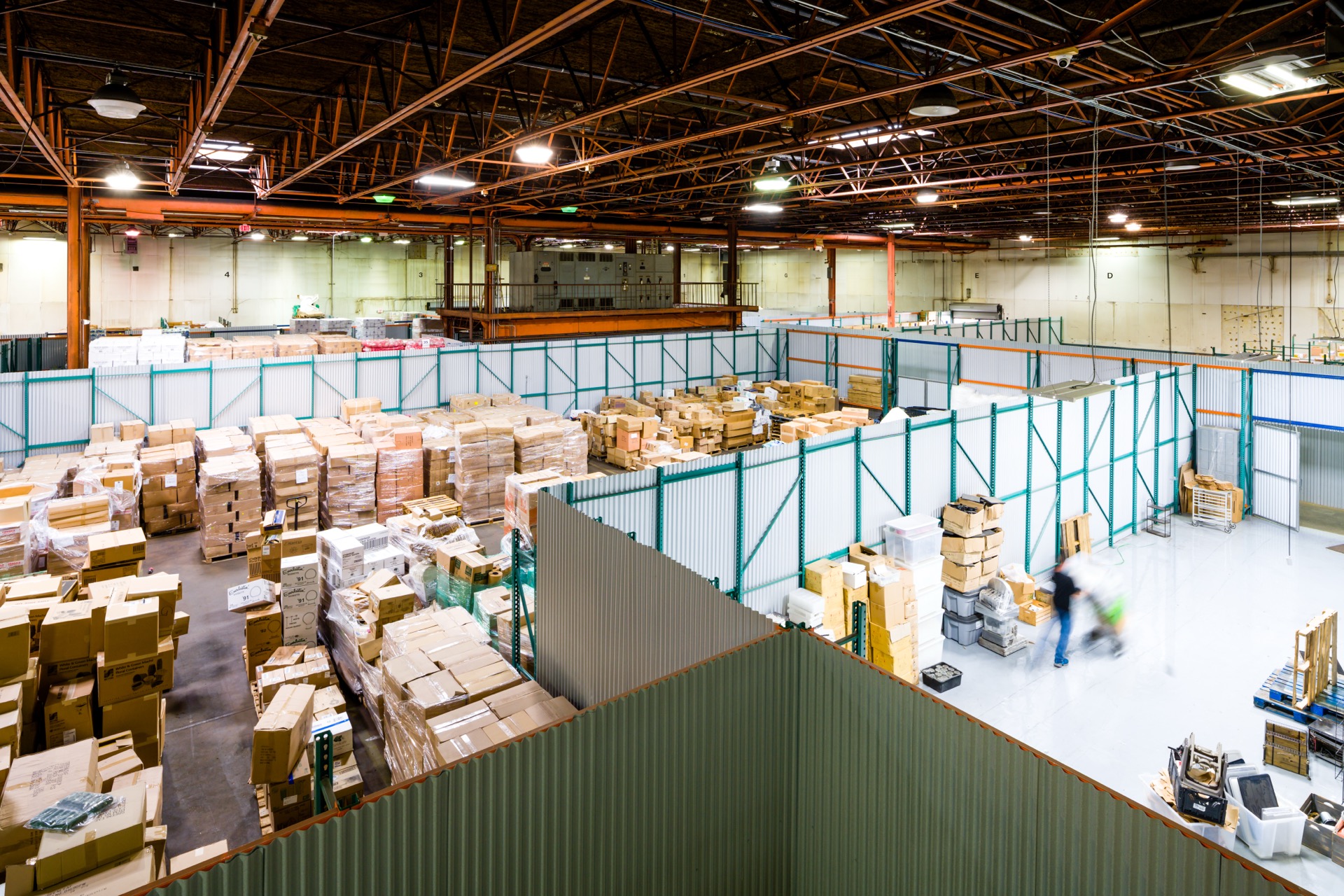
The small bay segment (typically under 10,000 SF) is the most underserved and least understood part of the industrial market. It’s where most small businesses start, and it operates under different dynamics than the big-box warehouse market that dominates headlines. Our small bay guide covers why this segment matters and how it’s priced differently.
For a broader overview of all industrial property types — flex, warehouse, manufacturing, and hybrid spaces — and how to evaluate which one fits your operation, start with our complete property type breakdown.
Deep Dive Articles
Leasing Fundamentals
Industrial leases work differently than office or retail leases, and the lease structure you sign determines your true cost of occupancy — not just the headline rental rate. The most common mistake is comparing base rents across properties without understanding what’s included.
In a triple net (NNN) lease, you pay base rent plus your share of property taxes, insurance, and common area maintenance (CAM) — which can add $2-5 per square foot to your effective rate. A gross lease wraps everything into one number. Modified gross falls somewhere in between. Understanding these structures is essential before you start comparing spaces.
If you’re leasing industrial space for the first time, the terminology alone can be overwhelming. Our beginner’s guide covers the essential terms — from LOI to TI allowance — so you can negotiate from a position of knowledge rather than guesswork.
Deep Dive Articles
Property Specifications That Matter
Beyond square footage and price, the physical specifications of an industrial property determine whether it can actually support your operation. Ceiling height dictates racking capacity. Dock configuration affects receiving and shipping efficiency. Power availability limits what equipment you can run. Floor load capacity determines what you can store.
These specs are non-negotiable — you can renovate an office, but you can’t raise a ceiling or add a dock door without significant investment. Understanding what you need before you start touring saves time for everyone involved.
Pro Tip
Before signing any warehouse lease, compare the all-in cost per square foot — including CAM, insurance, utilities, and any pass-through charges — not just the base rent. A space quoted at $6/SF NNN with $4/SF in additional charges costs more than one quoted at $9/SF gross.
Logistics & Distribution
Where your warehouse sits in the supply chain matters as much as the building itself. Last-mile delivery requirements have reshaped the industrial landscape, pushing demand for smaller, urban-proximate spaces that can reach end customers faster. If your operation involves direct-to-consumer fulfillment, your location strategy should start with delivery radius, not just rental cost.
For businesses that move product through rather than store it, cross-docking facilities offer a different model entirely — goods come in one door and go out another with minimal or no storage time. It’s a specific operational model with specific facility requirements.
Deep Dive Articles
Scaling Your Business
Your space requirements change as your business grows — and how you plan for that growth determines whether your warehouse becomes a launchpad or a bottleneck. The businesses that scale most successfully in industrial space are the ones that plan their space strategy two stages ahead, not just one.
Flexible lease terms, right-sized spaces, and the ability to expand within a facility or market are all strategic levers. Our manufacturing scaling guide walks through space requirements at each growth stage and how to plan transitions without disrupting operations.
Deep Dive Article
Explore More
Related WareCRE Resources
- Market Intelligence Hub — Warehouse market reports for 18+ US and Canadian metros
- Industrial Real Estate Trends & Outlook — Owner and investor perspective on market direction
- Price Per Square Foot Guide: Top 20 US Markets
- The Warehousing Gap Squeezing America’s Small Businesses
Ready to Find Your Space?
Browse available warehouse, flex, and industrial space listings on WareCRE.
Browse Available SpacesFrequently Asked Questions
What are the different types of industrial real estate?
The main types of industrial real estate are small bay (500-5,000 SF, ideal for small businesses and contractors), flex space (office-warehouse combo, 2,000-15,000 SF), mid bay warehouse (10,000-50,000 SF for regional distribution), bulk distribution (100,000+ SF for national logistics), and cold storage (temperature-controlled facilities for food, pharma, and perishables). Each type serves different operational needs and comes with different specs, pricing, and lease structures.
What is a NNN lease in warehousing?
A triple net (NNN) lease is the most common lease structure in industrial real estate. The tenant pays a base rent plus their proportional share of three additional costs: property taxes, building insurance, and common area maintenance (CAM). These additional charges typically add $2-5 per square foot to the base rate, so a space quoted at $6/SF NNN might cost $8-11/SF all-in. Always ask for the estimated NNN charges before comparing properties.
How much does it cost to lease warehouse space?
Warehouse lease costs vary widely by market and property type. Nationally, average industrial rents range from $4-6/SF NNN in Midwest markets to $12-18/SF in coastal metros like Los Angeles. Small bay and flex space typically commands 20-40% more than standard warehouse due to higher finish and more demand. Beyond rent, factor in NNN charges, utilities, insurance, and any tenant improvement costs for an accurate all-in budget.
What ceiling height do I need for my warehouse?
The ceiling height you need depends on your operation. Small businesses storing inventory on standard shelving or pallet racks typically need 12-16 feet of clear height. Operations using multi-tier racking or forklifts need 20-28 feet. Large distribution centers with automated storage systems need 32-40 feet. Remember that “clear height” measures from the finished floor to the lowest overhead obstruction — not to the roof peak.
What’s the difference between flex space and warehouse space?
Flex space combines office and warehouse under one roof, typically with 20-50% of the space finished as office. It’s designed for businesses that need both workspace and storage or light production — like e-commerce companies, contractors, or small manufacturers. Traditional warehouse space is primarily open, unfinished space optimized for storage and distribution with minimal or no office component. Flex space usually costs more per square foot but eliminates the need to lease separate office space.