Orlando Industrial & Warehouse Market Report | Q2 2026
Key Takeaways
- Orlando industrial vacancy is 8.4% in Q2 2026, up 30 basis points from 8.1% in Q1 2026 but still down 60 basis points year over year. Vacancy is drifting up, not compressing.
- Leasing is the headline weakness: 1.603 million SF year to date, down 69.6% year over year. Big-box requirements have stalled while smaller and mid-sized deals continue to transact.
- Supply is still arriving. Orlando took delivery of 1.665 million SF in Q2 against 319,787 SF of net absorption, and another 3.093 million SF is under construction at 30.9% preleased.
- The metro has split. Lake Mary / Sanford is at 3.3% vacancy and supplied 67% of Q2 absorption, while Silver Star / Apopka sits at 13.1%. Browse Orlando warehouse listings on WareCRE.
8.4%
Overall Vacancy (↑30 bps QoQ)
$9.52
Avg. Asking Rent (NNN/SF/YR)
1.603M
SF Leased YTD (↓69.6% YoY)
3.093M
SF Under Construction
Orlando’s industrial warehouse market gave back ground in Q2 2026. Vacancy rose 30 basis points to 8.4% as 1.665 million SF of new space delivered against 319,787 SF of net absorption, and year-to-date leasing volume of 1.603 million SF is running 69.6% below the same point in 2025. The market is not in freefall (absorption is still positive and vacancy remains 60 basis points tighter than a year ago), but the direction of travel has reversed.
The pattern underneath the headline is a split market. Large-format demand has stalled: the two most notable transactions of the quarter were a 149,152 SF new lease and a 130,400 SF renewal, both well short of the bulk requirements that drove Orlando’s last growth cycle. Smaller and mid-sized deals are holding up, and the tightest submarket in the metro carried most of the quarter’s absorption on its own. Here is the full Q2 2026 picture.
Market Snapshot: Q2 2026
| Metric | Q2 2026 | Context |
|---|---|---|
| Overall vacancy | 8.4% | ↑30 bps from 8.1% in Q1 2026; ↓60 bps year over year |
| Avg. asking rent | $9.52/SF/YR NNN | Essentially flat vs. $9.49 in Q1 2026; Orlando quotes annually |
| Q2 net absorption | +319,787 SF | Lake Mary / Sanford supplied 67% of the metro total |
| Leasing activity (YTD) | 1.603M SF | ↓69.6% year over year; the market’s clearest weak spot |
| Q2 deliveries | 1.665M SF | Up from 1.33M SF in Q1 2026; outpaced absorption |
| Under construction | 3.093M SF | 30.9% preleased; the balance is uncommitted |
| Total inventory | 128.76M SF | Warehouse and manufacturing basis |
All figures on this page are Cushman & Wakefield’s warehouse and manufacturing weighted series, which is why the 8.4% headline sits roughly 180 basis points below CBRE’s 10.2% reading for Orlando (CBRE tracks a broader inventory that includes flex and R&D product). The spread is a difference in what gets counted, not a data error, so compare like with like before benchmarking a specific building.
Rent Trends: Flat, With the Spread Doing the Work
Average asking rent finished Q2 2026 at $9.52/SF/YR NNN, effectively unchanged from $9.49 in Q1. Orlando is quoted annually rather than monthly, so that figure is directly comparable to the annual NNN rates published for other Sun Belt metros. With vacancy rising and leasing volume down sharply, flat is the realistic outcome: landlords are holding face rate rather than cutting it, and the negotiation is happening in concessions and term rather than in the headline number.
The more useful signal is the spread between submarkets. Weighted average asking rents run from $7.95/SF in Silver Star / Apopka, the metro’s cheapest and highest-vacancy big-box node at 13.1%, to $10.03/SF in Lake Mary / Sanford, where vacancy is 3.3%. Pricing in Orlando is now tracking availability rather than location prestige, and the gap between the loosest and tightest submarkets is 980 basis points of vacancy.
For Tenants
Leverage exists, but it is submarket-specific. Silver Star / Apopka (13.1% vacancy, $7.95/SF) and Airport / Lake Nona (11.9%, $10.01/SF) carry real optionality, and with 3.093 million SF under construction at only 30.9% preleased, more competing space is coming. Lake Mary / Sanford at 3.3% is a different negotiation entirely: expect little movement there. Search Orlando warehouse listings on WareCRE.
Construction Pipeline: Still Adding Space
Orlando has 3.093 million SF under construction against 128.76 million SF of existing inventory, and only 30.9% of that pipeline is preleased. Deliveries accelerated in Q2 to 1.665 million SF from 1.33 million SF in Q1, and that delivery volume against 319,787 SF of net absorption is the direct cause of the 30 basis point vacancy increase.
Nor has development stopped. VenturePark Beachline II and III (748,000 SF combined) and Mahogany Pointe Logistics Park (675,000 SF) both broke ground in 2026. Developers are still underwriting Orlando’s long-run Central Florida distribution position, but that space will complete into a market where big-box leasing has already slowed, which is the central tension for the next several quarters.
For Operators
The case for holding rate is weaker than it was two quarters ago. Vacancy is up 30 bps, asking rent moved $0.03 in a quarter, and roughly 69% of the construction pipeline is still uncommitted. Owners in Lake Mary / Sanford (3.3% vacancy) retain genuine pricing power. Owners of big-box product in Silver Star / Apopka and Airport / Lake Nona are competing against both current vacancy and scheduled deliveries, and speed of lease-up is likely worth more than the last few cents of face rate.
Submarket Breakdown
Lake Mary / Sanford
The tightest major submarket in the metro at 3.3% vacancy, with a weighted average asking rent of $10.03/SF/YR NNN, the highest of the four. It drove 67% of Q2 metro absorption on its own at +215,303 SF. Seminole County product, a deep local workforce and limited new supply have kept this corridor structurally short. Tenants should expect few options and minimal concession room.
Orlando Central Park / SouthPark
Legacy infill at 7.8% vacancy and $8.93/SF/YR NNN across 22.2 million SF. This submarket gave back 114,022 SF in Q2, the metro’s most visible negative move. Older shallow-bay and multi-tenant stock at below-average pricing makes it a value option for tenants who prioritize central access over modern clear heights and dock ratios.
Airport / Lake Nona
Orlando’s main growth corridor at 25.6 million SF, and where new development is concentrated. Vacancy is 11.9% with a weighted average asking rent of $10.01/SF/YR NNN. Waymo renewed 130,400 SF here in Q2, one of the two largest transactions in the metro. Elevated vacancy plus an active pipeline makes this the strongest combination of modern product and tenant leverage in Orlando right now.
Silver Star / Apopka
The cheapest and highest-vacancy big-box node: 13.1% vacancy at $7.95/SF/YR NNN across 22.6 million SF. Unisource Food Service Equipment signed the quarter’s largest new lease here at 149,152 SF. For cost-sensitive distribution and light manufacturing users who can work with the available building specs, this is the clearest value play in the metro.
| Submarket | Vacancy | Avg. Asking Rent (NNN/SF/YR) | Q2 2026 Profile |
|---|---|---|---|
| Lake Mary / Sanford | 3.3% | $10.03 | Tightest submarket; +215,303 SF absorbed in Q2 |
| Orlando Central Park / SouthPark | 7.8% | $8.93 | Legacy infill; gave back 114,022 SF in Q2 |
| Airport / Lake Nona | 11.9% | $10.01 | Growth corridor; new development concentrated here |
| Silver Star / Apopka | 13.1% | $7.95 | Cheapest big-box node; highest vacancy |
Co-Warehousing & Flexible Warehouse Space in Orlando
Neither Cushman & Wakefield nor CBRE published a sub-50,000 SF breakout for Orlando this quarter, so the picture for small-bay and flexible space is qualitative rather than statistical. What the metro-level data does show is consistent with what operators report on the ground: the volume decline is concentrated in large-format requirements, while smaller deals continue to clear.
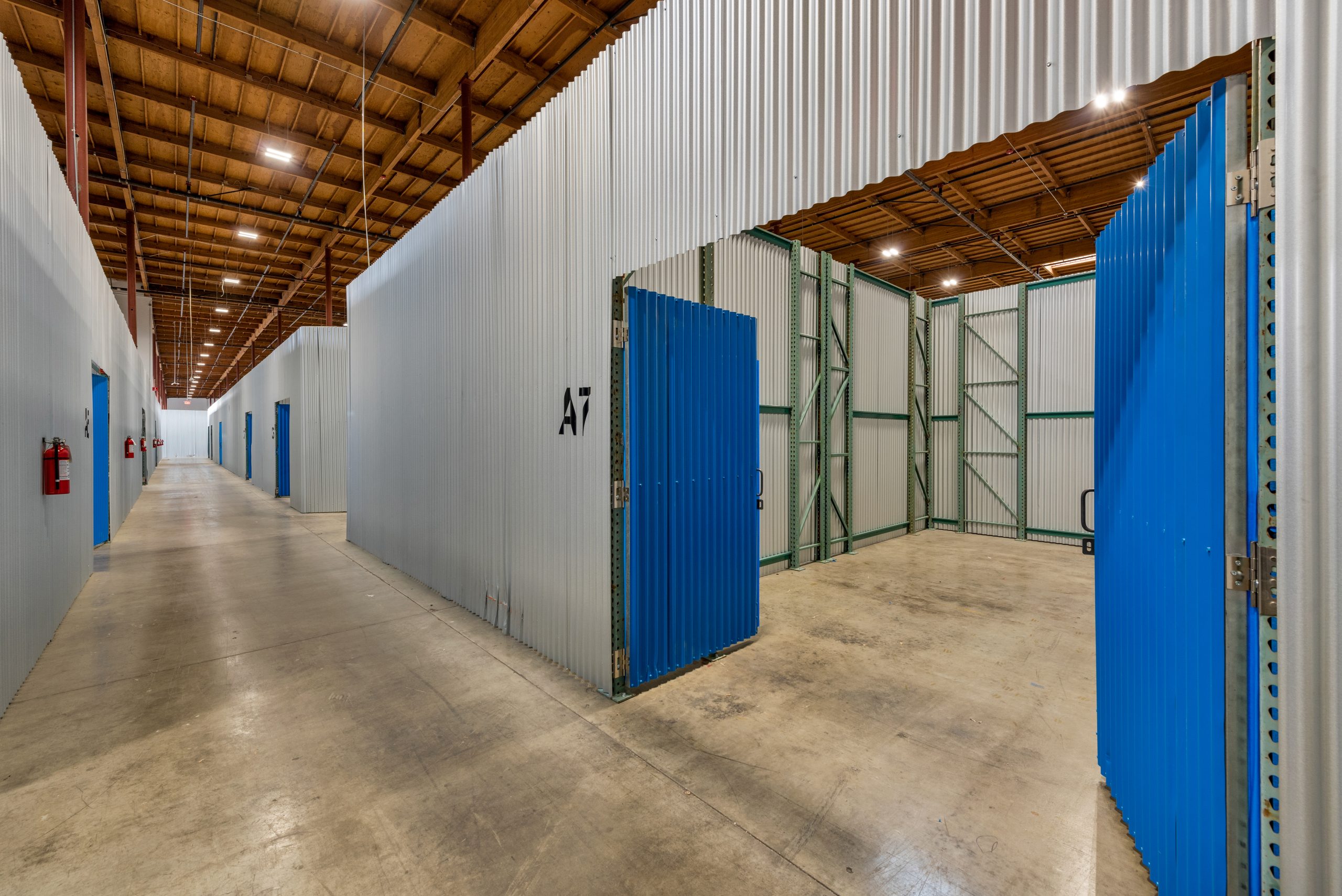
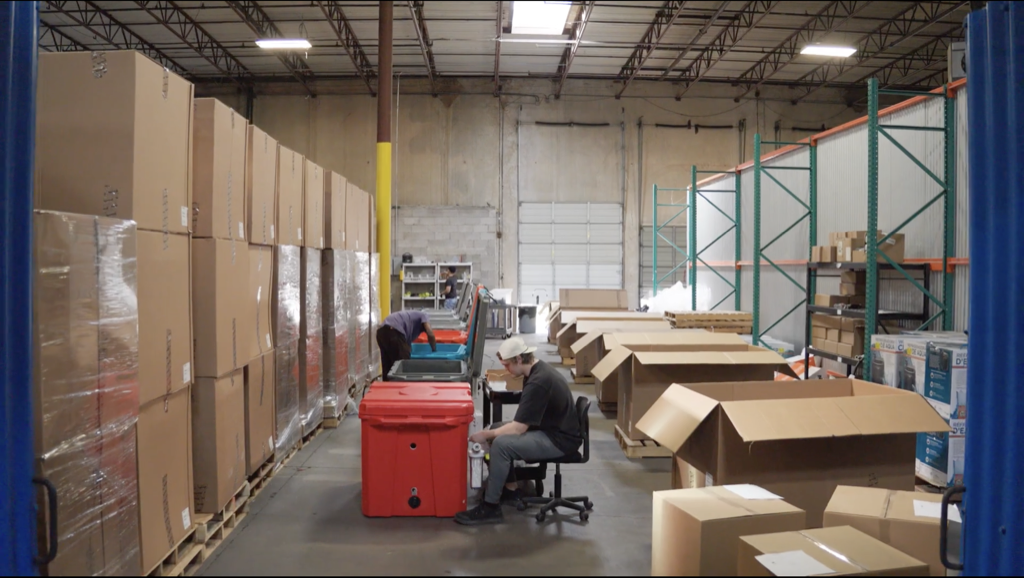
Co-warehousing and flexible warehouse product serves tenants who need operational space without a big-box commitment or a multi-year build-out. In Orlando that demand base is unusually broad, which is part of why it has proven more durable than bulk logistics through this cycle.
Who’s leasing flexible space in Orlando: theme park and hospitality suppliers needing staging and storage, e-commerce operators serving Central Florida, contractors and building trades, food and beverage distributors serving the tourism economy, and medical device and life sciences suppliers around the Lake Nona corridor.
Browse available co-warehousing and small-bay listings on WareCRE’s Orlando marketplace.
Looking for warehouse space in Orlando?
Key Trends to Watch
1. Big-Box Momentum Has Stalled
Year-to-date leasing of 1.603 million SF is 69.6% below the same point last year, and the two headline transactions of Q2 were a 149,152 SF new lease and a 130,400 SF renewal. Neither is a bulk requirement. Large occupiers are extending decision timelines rather than committing to new footprints, and until that changes, absorption will depend on a larger number of smaller deals.
2. Supply Is Still Landing Into a Softer Market
Deliveries rose to 1.665 million SF in Q2 from 1.33 million SF in Q1, and 3.093 million SF remains under construction at 30.9% preleased. Projects that broke ground in 2026, including VenturePark Beachline II and III and Mahogany Pointe Logistics Park, will deliver into this same demand environment. Watch the preleasing rate on that pipeline more closely than the pipeline size itself.
3. The Metro Has Split in Two
Lake Mary / Sanford at 3.3% and Silver Star / Apopka at 13.1% are effectively two different markets operating under one metro headline. A single blended vacancy number is now close to useless for site selection in Orlando. For national context on how this divergence is playing out by building size, see Small-Bay vs. Big-Box: What the Vacancy Gap Means.
4. The Central Florida Distribution Case Is Unchanged
Orlando’s structural argument has not moved with the cycle: geographic centrality within Florida lets occupiers serve both the Tampa and Miami corridors from one location, and the theme park, hospitality and Lake Nona life sciences ecosystems generate warehouse demand that is not purely a function of consumer goods flow. That case supports the long-run pipeline even as near-term leasing softens. For related demand-side context, see How Tariffs Are Reshaping Warehouse Demand in 2026.
Outlook: What to Watch in Q3 to Q4 2026
Orlando enters the second half of 2026 with positive absorption, flat rents and rising vacancy. That combination is unstable in one direction or the other, and the leasing figure is what will resolve it.
Watch whether leasing volume recovers off the 1.603 million SF year-to-date pace. A 69.6% year-over-year decline is the single most important number on this page. If Q3 does not show a meaningful improvement, the 3.093 million SF pipeline will meet demand that cannot absorb it.
Watch deliveries against absorption. Q2 delivered 1.665 million SF against 319,787 SF absorbed. Vacancy will keep drifting up for as long as that ratio holds, regardless of how healthy individual submarkets look.
Watch the concentration risk in Lake Mary / Sanford. One submarket supplied 67% of Q2 metro absorption at 3.3% vacancy. There is limited room left for it to repeat that contribution, which puts more weight on Airport / Lake Nona and Silver Star / Apopka to carry absorption in the second half.
For tenants, the practical read is that timing favors you in the higher-vacancy nodes. For owners, lease-up speed on uncommitted space is the variable worth optimizing.
Find warehouse space in Orlando
Browse co-warehousing, small-bay, and flex listings across the Orlando metro.
Data sources: Cushman & Wakefield Orlando MarketBeat Q2 2026 (warehouse and manufacturing weighted basis; source for all vacancy, rent, absorption, delivery, pipeline and submarket figures above), CBRE Orlando Industrial Figures Q2 2026 (broader inventory including flex and R&D), WareCRE marketplace data (July 2026).
Related Resources
Frequently Asked Questions
What is the current industrial vacancy rate in Orlando?
Orlando industrial vacancy is 8.4% in Q2 2026 on a warehouse and manufacturing weighted basis, up 30 basis points from 8.1% in Q1 2026 and down 60 basis points year over year. Vacancy rose because 1.665 million SF of new space delivered in the quarter against 319,787 SF of net absorption.
How much does warehouse space cost in Orlando?
The Orlando metro average asking rent is $9.52 per SF per year NNN in Q2 2026, essentially flat against $9.49 in Q1 2026. Orlando is quoted annually. Submarket weighted averages range from $7.95 in Silver Star / Apopka to $10.03 in Lake Mary / Sanford.
Is Orlando a good market for warehouse tenants in 2026?
It depends on the submarket. Year-to-date leasing is down 69.6% year over year and vacancy is drifting up, which gives tenants leverage in the higher-vacancy nodes such as Silver Star / Apopka at 13.1% and Airport / Lake Nona at 11.9%, with more competing space still under construction. In Lake Mary / Sanford, at 3.3% vacancy, tenants have very little leverage.
Which Orlando submarket is best for warehouse space?
Airport / Lake Nona offers the best combination of modern product and tenant options at 11.9% vacancy and $10.01 per SF. Silver Star / Apopka is the value play at $7.95 per SF with 13.1% vacancy. Orlando Central Park / SouthPark suits central infill users at $8.93 per SF. Lake Mary / Sanford is the tightest and most expensive at 3.3% vacancy and $10.03 per SF.