How to Scale Your Manufacturing Business: Space Requirements at Every Growth Stage

Understanding your manufacturing space requirements at each growth stage is one of the most critical decisions you’ll make as your business scales. Choose too small, and you’ll face costly relocations within months. Choose too large, and you’ll drain capital on unused square footage.
This guide breaks down exactly how much manufacturing facility space you need—from a 500 square foot startup operation to a 30,000+ square foot enterprise—along with the power capacity, ceiling heights, and infrastructure requirements that matter at each stage.
Key Takeaways
- Startup (0-5 employees): 500-2,000 SF with flexible month-to-month leases and 100-200 amp power
- Early Growth (5-20 employees): 2,000-10,000 SF with dedicated production areas and 200-400 amp service
- Mid-Size (20-50 employees): 10,000-30,000 SF with 18-24 ft ceilings and 400-800 amp power
- Enterprise (50+ employees): 30,000+ SF with custom facilities, multiple loading docks, and heavy-duty infrastructure
- Plan for 3-year growth projections and negotiate expansion options into every lease
Manufacturing Space Requirements by Company Size
Your space needs depend on several factors: employee count, production volume, equipment footprint, and inventory storage. Here’s what to expect at each growth stage, based on typical manufacturing operations.
| Growth Stage | Employees | Space Needed | Power | Ceiling Height |
|---|---|---|---|---|
| Startup | 0-5 | 500-2,000 SF | 100-200 amp | 12-16 ft |
| Early Growth | 5-20 | 2,000-10,000 SF | 200-400 amp | 14-18 ft |
| Mid-Size | 20-50 | 10,000-30,000 SF | 400-800 amp | 18-24 ft |
| Enterprise | 50+ | 30,000+ SF | 800+ amp | 24-32 ft |
Startup Phase: 0-5 Employees (500-2,000 SF)
At the startup stage, flexibility matters more than optimization. You’re validating your production process, building your customer base, and preserving capital. The wrong long-term lease commitment can sink an early-stage manufacturer.
Space requirements: Most startups need 500-2,000 square feet, depending on equipment size and production type. Light assembly operations can work in smaller spaces, while machine shops or fabrication typically need the higher end of this range.
What to look for:
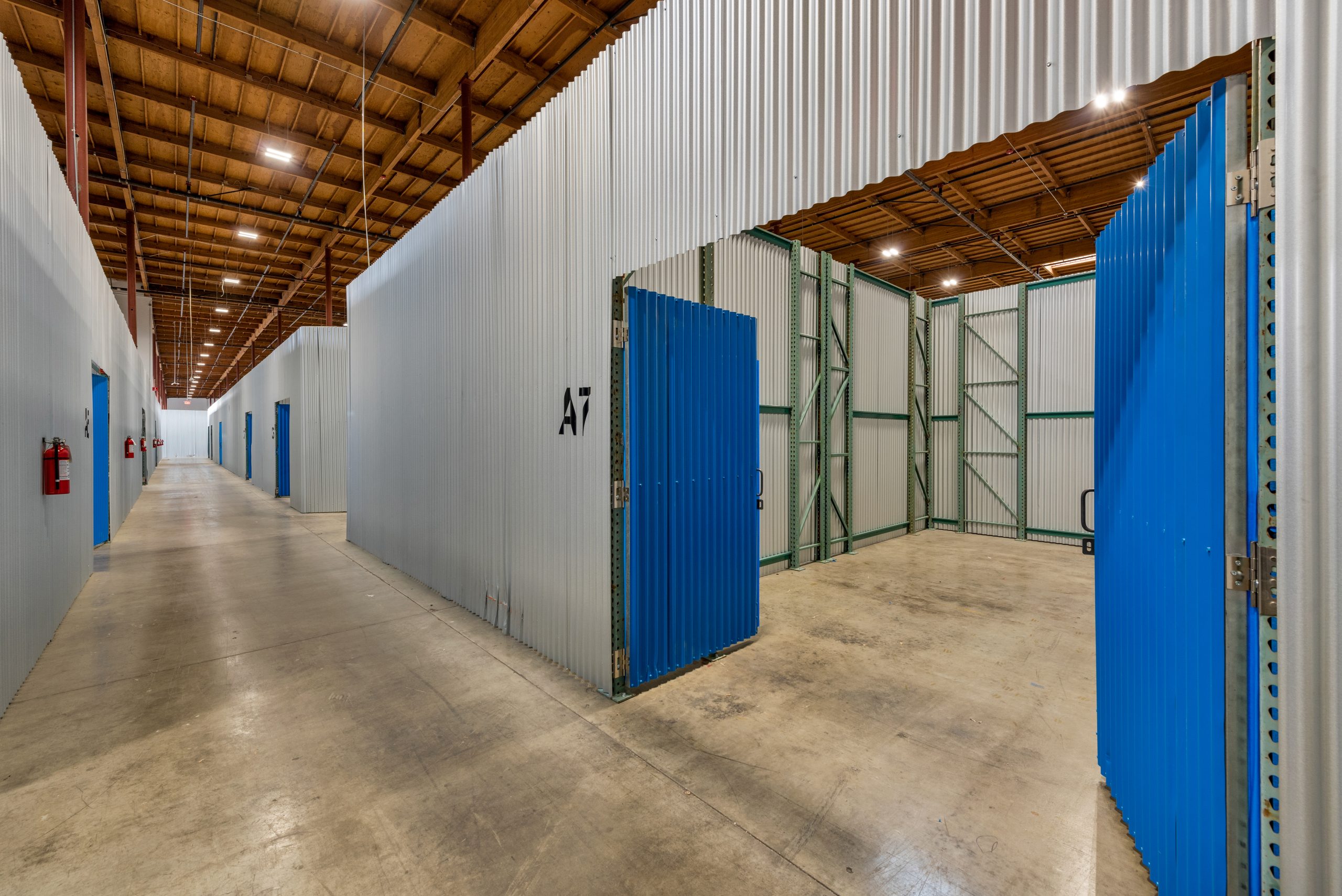
- Flex spaces that require minimal modifications—avoid facilities that need extensive build-out
- Month-to-month or short-term leases to maintain flexibility as you scale
- Shared utilities to minimize fixed overhead costs
- Basic loading access for smaller shipments (grade-level doors work fine at this stage)
- Standard power service (100-200 amp, single-phase) sufficient for most startup equipment
Consider shared manufacturing spaces or maker spaces where you can access expensive equipment—CNC machines, laser cutters, industrial tools—without the full capital investment. These facilities often include mentorship networks and potential collaboration opportunities with other manufacturers.
Early Growth Phase: 5-20 Employees (2,000-10,000 SF)
Your production is more established now, with defined processes and increasing order volumes. This is when most manufacturers sign their first dedicated lease—and when making the wrong facility choice becomes expensive.
Space requirements: Plan for 2,000-10,000 square feet, with room allocation roughly split between production floor (60-70%), storage/staging (20-25%), and office/admin (10-15%).
What to look for:
- Dedicated production areas with clear workflow paths from raw materials to finished goods
- Small office space for administrative work, customer calls, and planning
- Proper shipping and receiving area with at least one dock-height door or drive-in access
- Increased power capacity (200-400 amp, three-phase service) to support production equipment
- Basic climate control if your products or processes require temperature stability
Pro Tip
Negotiate lease terms with expansion options built in—either for adjacent space or right of first refusal on nearby units. Growth often happens faster than expected, and relocating mid-lease is costly. A 3-5 year lease with expansion rights gives you stability and flexibility.
For guidance on evaluating facility specifications, see our guide to loading docks, ceiling heights, and power requirements.
Mid-Size Operations: 20-50 Employees (10,000-30,000 SF)
At this stage, operational efficiency directly impacts your margins. Layout optimization, workflow design, and infrastructure capacity become critical competitive factors—not just nice-to-haves.
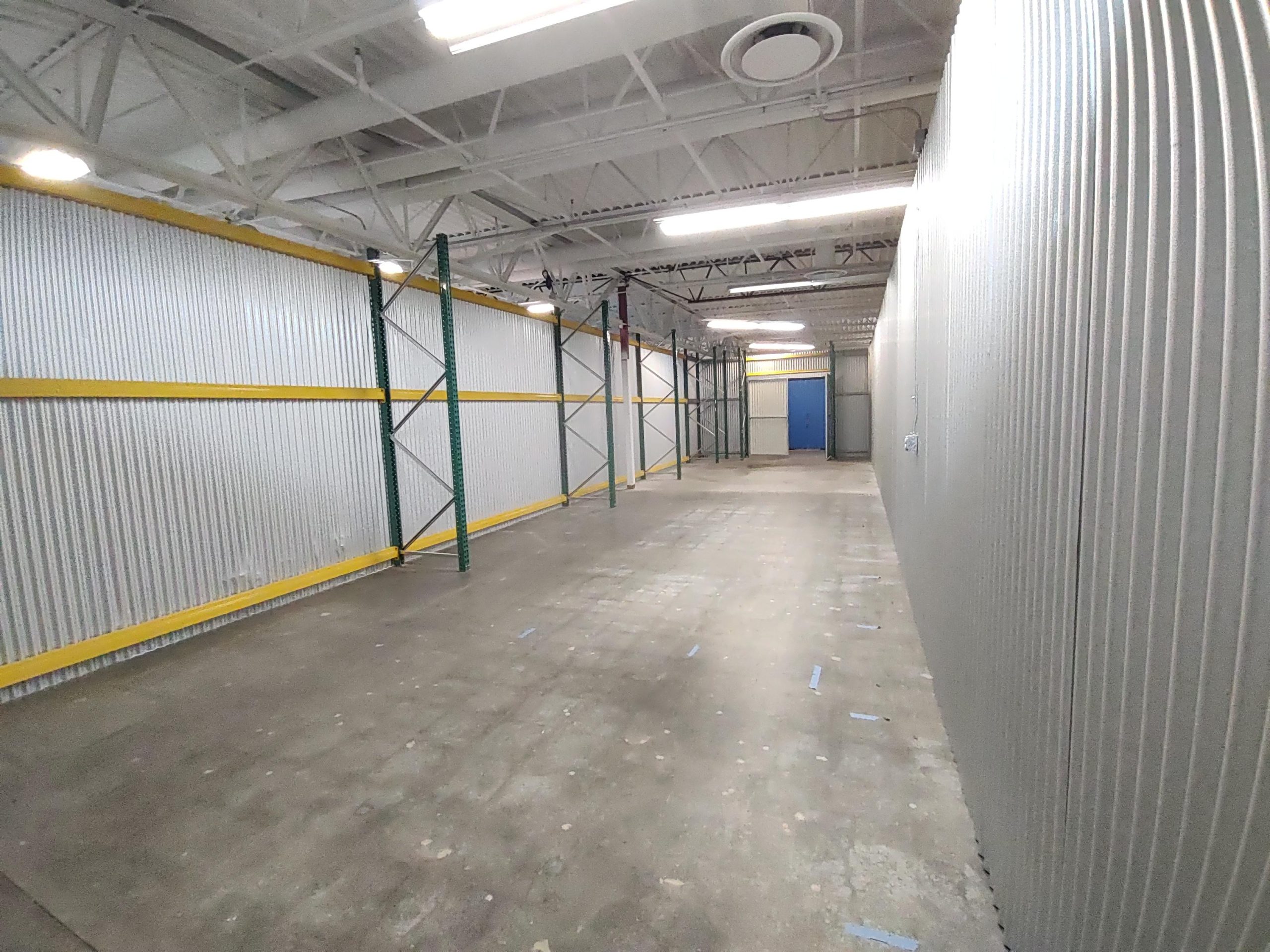
Space requirements: Mid-size manufacturers typically need 10,000-30,000 square feet. Beyond raw square footage, vertical space matters: 18-24 foot clear heights allow for vertical storage, overhead equipment, and better airflow.
What to look for:
- Optimized workflow layout that minimizes material handling and travel time between production stages
- Multiple loading positions—at least 2-3 dock doors for simultaneous inbound/outbound operations
- Dedicated quality control areas separate from production for inspection and testing
- Expanded office space for growing management, sales, and administrative teams
- Higher ceilings (18-24 ft clear) for vertical racking and overhead equipment
- Heavy-duty power (400-800 amp, three-phase) with room for additional capacity
This is when proper warehouse management systems become essential. Invest in inventory tracking, production scheduling, and workflow management software before space constraints become bottlenecks. The right systems can extend the useful life of your facility by 2-3 years.
For more on determining optimal facility size, see our guide on typical warehouse sizes and how to find the right fit.
Established Enterprise: 50+ Employees (30,000+ SF)
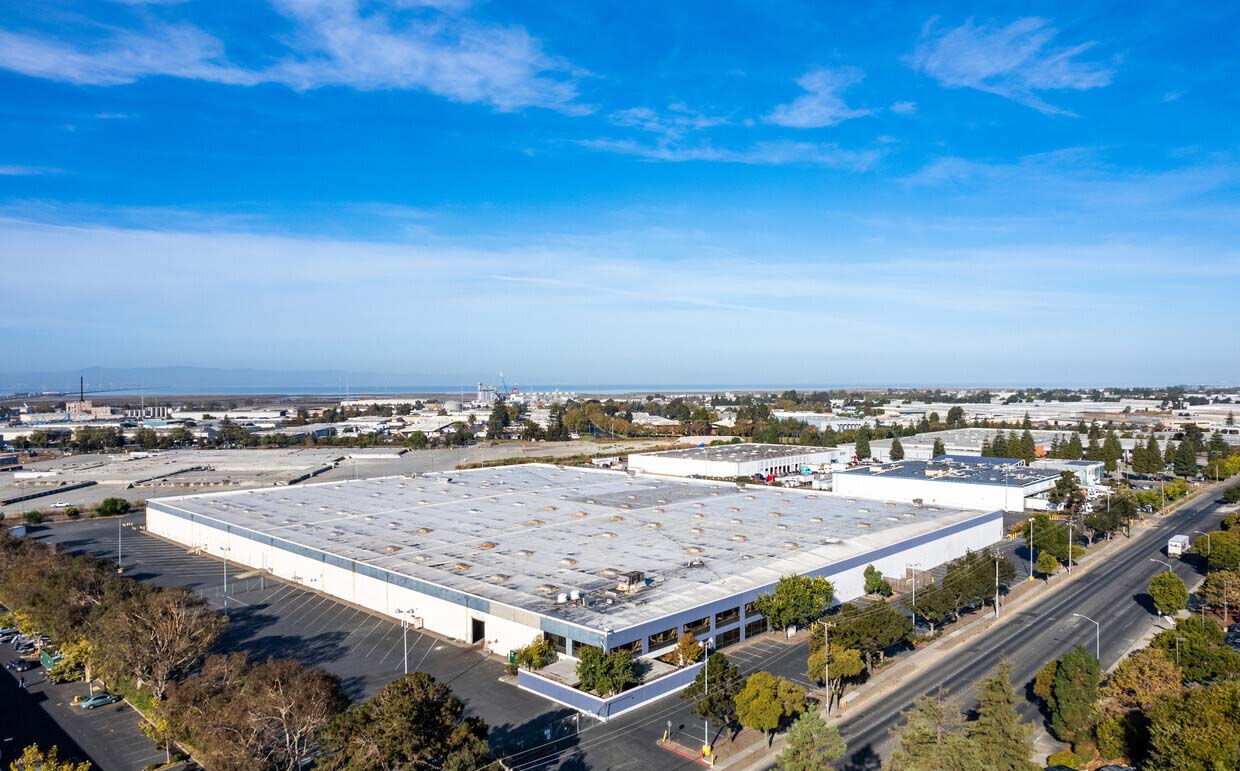
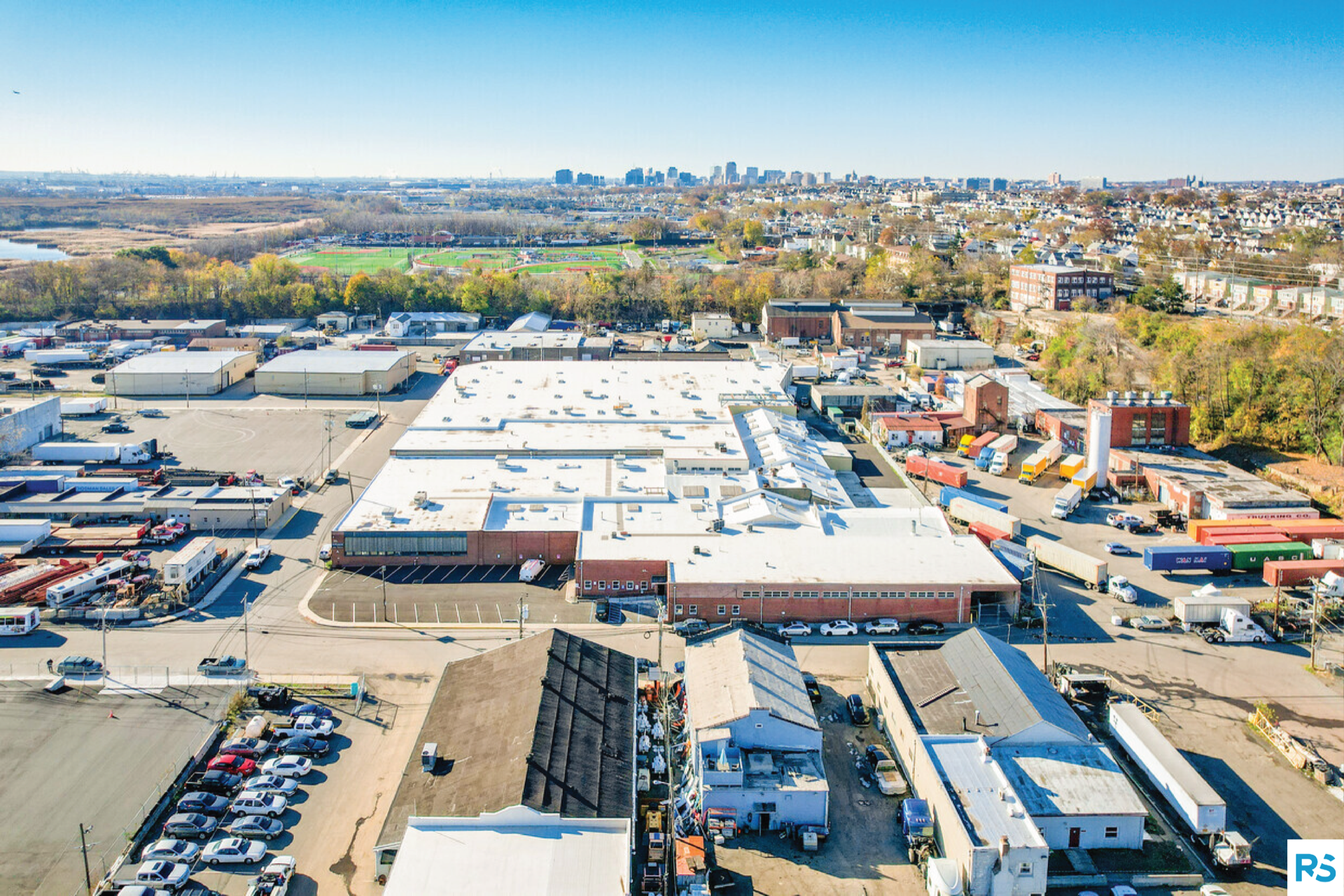
Large-scale manufacturing operations require sophisticated facilities tailored to specific production requirements. At this level, you’re likely evaluating build-to-suit options or major retrofit projects.
Space requirements: Enterprise manufacturers typically need 30,000 square feet minimum, with many operations running 50,000-100,000+ SF. Multi-building campuses become common for companies with diverse product lines or separate distribution operations.
What to look for:
- Custom-designed production facilities optimized for your specific manufacturing processes
- Multiple loading docks (4+ doors) with adequate truck court depth for trailer maneuvering
- Specialized storage solutions including climate-controlled zones, hazmat storage, or clean rooms
- Advanced HVAC and climate controls for process consistency and employee comfort
- Heavy-duty infrastructure including reinforced floors, overhead cranes, and specialized utilities
- Employee amenities including break rooms, locker facilities, and adequate parking
At this scale, consider build-to-suit development where a developer constructs a facility to your specifications and you sign a long-term lease. This approach lets you get exactly what you need without the capital outlay of ownership—though you’ll typically commit to 10-15 year lease terms.
5 Key Questions Before Your Next Move
Before signing a new manufacturing facility lease, work through these critical questions with your operations and finance teams:
1. Does this space accommodate your 3-year growth plan?
Map out realistic production volume increases and headcount growth. If you’ll outgrow the space within 3 years, either find something larger or ensure expansion options are built into the lease.
2. Could reconfiguring your current space delay the need to move?
Before committing to relocation costs (typically $15-30 per square foot for manufacturing moves), evaluate whether layout optimization, vertical storage, or equipment upgrades could extend your current facility’s useful life.
3. How will location impact your workforce and logistics?
Consider commute times for your current employees, access to labor pools for future hiring, proximity to key suppliers, and shipping costs to your major customers. A lower lease rate in a remote location can cost more in aggregate.
4. What’s your lease vs. buy threshold?
Purchasing typically makes sense when you have stable, predictable space needs, strong cash reserves or financing access, and plan to stay in the same location for 7+ years. Below that threshold, leasing preserves flexibility and capital for core business investment.
5. Can the infrastructure support future technology investments?
Evaluate whether the electrical system can handle automation equipment, the floor can support heavier machinery, and the layout allows for robotic integration. Retrofitting infrastructure is expensive—it’s better to choose a facility that can grow with your technology roadmap.
Important
Always bring your operations team on facility tours. They’ll identify workflow issues, equipment clearance problems, and infrastructure gaps that aren’t obvious from floor plans—potentially saving you from costly mistakes or giving you negotiating leverage.
Finding Your Manufacturing Space
When you’re ready to search for manufacturing space, follow this process:
Work with specialists who understand manufacturing requirements. General commercial brokers may not know the difference between light industrial and heavy manufacturing specifications.
Tour multiple properties before making a decision. What looks good on paper may have workflow problems, power limitations, or access issues that only become apparent in person.
Create a detailed requirements checklist covering square footage, ceiling height, power capacity, loading configuration, and any specialized needs (compressed air, floor drains, ventilation, etc.).
Factor in build-out costs when comparing options. A lower base rent means nothing if you’re spending $50/SF on tenant improvements to make the space functional.
The right manufacturing facility isn’t just four walls and a roof—it’s a strategic asset that directly impacts your production efficiency, quality control, and ability to scale.
Frequently Asked Questions
How much warehouse space does a manufacturing business need?
Space requirements scale with your operation: startups with 0-5 employees typically need 500-2,000 square feet, early growth companies (5-20 employees) need 2,000-10,000 SF, mid-size operations (20-50 employees) require 10,000-30,000 SF, and enterprises with 50+ employees often need 30,000 SF or more. Always plan for your 3-year growth projection rather than just current needs.
What electrical capacity do I need for manufacturing equipment?
Power requirements increase with scale: startups typically need 100-200 amp single-phase service, early growth companies need 200-400 amp three-phase, mid-size operations require 400-800 amp, and large enterprises often need 800+ amp service with redundancy. Always verify your specific equipment requirements and add 20-30% capacity for future growth.
Should I lease or buy manufacturing space?
Leasing is typically better for growing manufacturers who need flexibility. Buying makes sense when you have stable space requirements, strong capital reserves, and plan to stay in the same location for 7+ years. Consider that purchasing ties up capital that could otherwise fund equipment, inventory, or growth initiatives.
What ceiling height do I need for manufacturing?
Ceiling height requirements vary by operation type. Light manufacturing and assembly can work with 12-16 foot clear heights. Mid-size operations benefit from 18-24 foot ceilings for vertical storage and overhead equipment. Heavy manufacturing or facilities using overhead cranes typically need 24-32 foot clear heights.
How do I plan for manufacturing growth when choosing a facility?
Build growth planning into your facility search from the start. Negotiate expansion rights for adjacent space, choose buildings where electrical and HVAC infrastructure can be upgraded, and select locations that will still work for your workforce and logistics as you scale. A 3-5 year lease with expansion options balances stability with flexibility.
Ready to Find Your Manufacturing Space?
Browse industrial properties that match your current production needs and future growth plans.
Search Available Properties