San Francisco Bay Area Industrial & Warehouse Market Report | Q1 2026
Key Takeaways
- The Bay Area is a two-market story in Q1 2026. The East Bay — the region’s core warehouse and distribution market, anchored by the Port of Oakland and I-880 — has softened, with vacancy rising to about 8.4% and rents falling sharply.
- Silicon Valley, by contrast, is rebounding: warehouse/distribution vacancy fell to 4.2% and net absorption topped 1 million SF — its strongest quarter in over a decade — driven by advanced manufacturing and R&D demand.
- Rents are off their peaks across the region. East Bay asking rents fell to about $1.52/SF NNN per month (down 10.6% year-over-year), while Silicon Valley industrial sits near $1.80 — giving tenants the best leverage in years, especially in the East Bay.
- Limited new construction and power constraints cap future supply, which should support occupancy over time. Browse Bay Area warehouse listings on WareCRE.
8.4%
East Bay Vacancy
$1.52
East Bay Rent (NNN/SF/Mo)
−356K
East Bay Net Absorption (Q1)
4.2%
Silicon Valley Vacancy (rebounding)
The San Francisco Bay Area is one of the most valuable and supply-constrained industrial markets in the country — hemmed in by water, mountains, and some of the nation’s highest land and construction costs. Demand spans warehouse and distribution through the Port of Oakland and I-880 corridor, advanced manufacturing and R&D in Silicon Valley, and last-mile logistics serving nearly 8 million affluent consumers. Entering Q1 2026, the region is splitting in two: the East Bay warehouse market has softened and turned tenant-favorable, while Silicon Valley is staging a notable rebound.
For businesses looking for warehouse space in the Bay Area, the East Bay offers the most negotiating leverage it has in years, while Silicon Valley is tightening again. Across both, rents have come off their peaks and minimal new construction means the supply side stays constrained. Here’s the full Q1 2026 picture.
Market Snapshot: Q1 2026
| Metric | Q1 2026 | Context |
|---|---|---|
| East Bay vacancy | ~8.0–8.4% | ↑~80 bps YoY; core warehouse market softening |
| East Bay asking rent | ~$1.52/SF NNN/mo | −10.6% YoY (~$18.24/SF/yr) |
| East Bay net absorption | ~−356K SF | Negative, but improved from a year ago |
| Silicon Valley vacancy | 4.2% (warehouse) | First notable drop in over a year; 6.4% all sectors |
| Silicon Valley absorption | +1M+ SF | Strongest quarter in over a decade; rent ~$1.80 |
| Construction | Limited | Land scarcity + power constraints cap supply |
Rent Trends: Off the Peak, Diverging by Submarket
Bay Area industrial rents are quoted monthly NNN and have come down from their highs across the region. East Bay asking rates fell to about $1.52/SF per month — a steep 10.6% year-over-year decline — as rising vacancy and softer demand pressured landlords. Silicon Valley industrial sits near $1.80, down about 8.6% from its 2024 peak but now stabilizing as that submarket rebounds.
The divergence is the story. East Bay tenants, particularly for warehouse and distribution space along I-880, have the most leverage in years. Silicon Valley, where advanced manufacturing and R&D demand has re-engaged, is firming. Across both, the absence of meaningful new construction limits how much further the supply side can loosen.
For Tenants
The East Bay is where the leverage is — rising vacancy and a 10.6% rent drop give real room to negotiate on warehouse and distribution space, especially along the I-880 and I-580 corridors. Silicon Valley is tightening again, so move faster there. With little new supply coming, the Bay Area’s tenant-favorable window won’t stay open indefinitely. Search Bay Area warehouse listings on WareCRE.
Construction Pipeline: Constrained by Land and Power
New industrial construction in the Bay Area is minimal — and structurally so. Land scarcity, high costs, difficult entitlement, and, increasingly, power and grid constraints all limit how much new product can be built. That restraint means today’s elevated East Bay vacancy reflects soft demand rather than an oversupply problem, and it sets up a tighter market once demand recovers.
The power constraint is an emerging factor worth watching: as advanced manufacturing, EV, and data-adjacent industrial uses compete for electricity, access to power is becoming a differentiator for industrial sites. Combined with the region’s chronic land scarcity, it reinforces the long-term case for Bay Area industrial despite the current soft patch in the East Bay.
For Operators
In the East Bay, soft demand and falling rents argue for protecting occupancy near term. In Silicon Valley, a record absorption quarter and falling vacancy support firming rate. Across the region, structural supply constraints — land, cost, and power — underpin long-term pricing power for well-located, functional product. Power-served sites are increasingly advantaged.
Submarket Breakdown
East Bay / Oakland & I-880
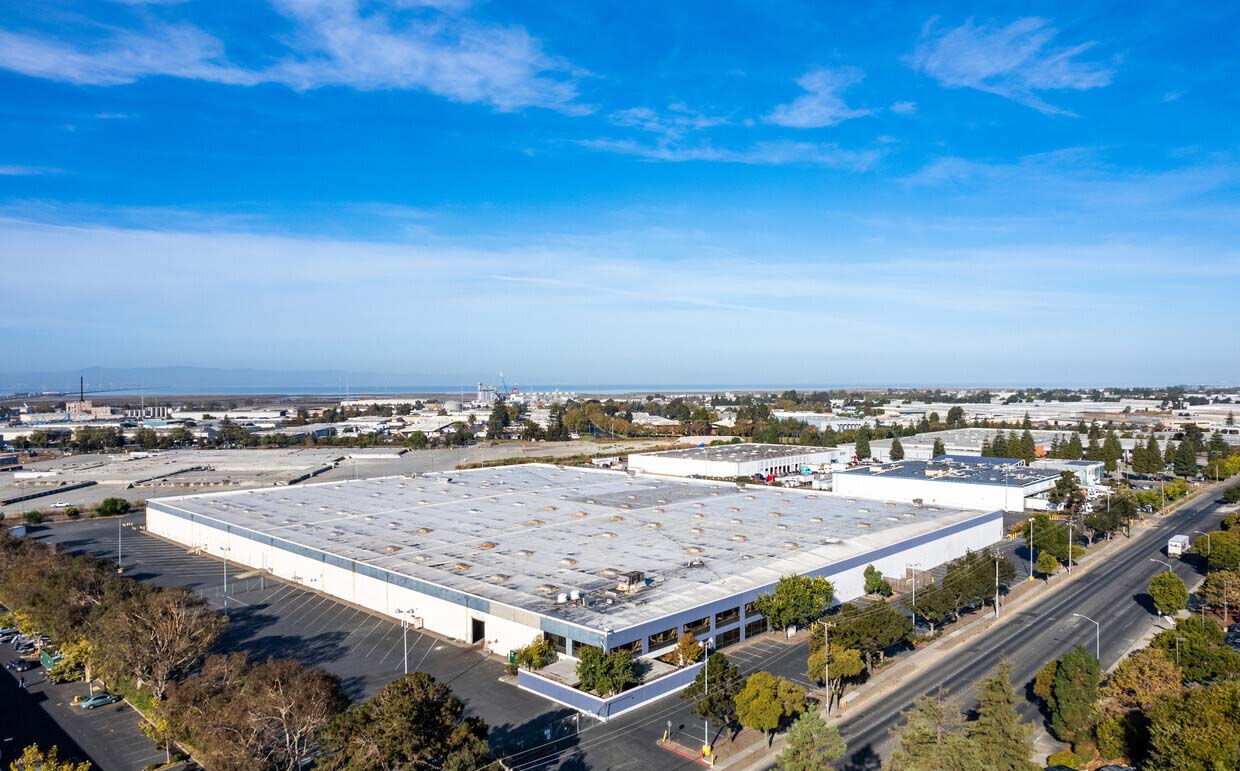
The Bay Area’s core warehouse and distribution market, anchored by the Port of Oakland and the I-880 corridor through Oakland, San Leandro, Hayward, and Fremont. Vacancy has risen to about 8.4% and rents have fallen 10.6% year-over-year — the most tenant-favorable warehouse submarket in the region. Rents: ~$1.30–$1.75/SF NNN/mo.
East Bay / I-580 & Tri-Valley
The big-box and distribution corridor along I-580 east toward Livermore and the Central Valley edge, offering larger floorplates and relative value versus the inner East Bay. More available large-format space. Rents: ~$1.10–$1.50/SF NNN/mo.
Silicon Valley / San Jose
The advanced manufacturing and R&D heart of the region, rebounding strongly in Q1 2026 with warehouse vacancy down to 4.2% and over 1 million SF of net absorption. Demand is driven by hardware, EV, and tech manufacturing. Tightening. Rents: ~$1.60–$2.10/SF NNN/mo.
North Bay / Peninsula
Smaller, supply-constrained infill submarkets serving local distribution and last-mile demand for the Peninsula and North Bay. Limited inventory keeps quality space competitive. Rents: ~$1.50–$2.20/SF NNN/mo.
| Submarket | Trend | Rent Range (NNN/SF/Mo) | Q1 2026 Profile |
|---|---|---|---|
| East Bay / Oakland & I-880 | Softening | $1.30–$1.75 | Core warehouse market, best tenant leverage |
| East Bay / I-580 & Tri-Valley | Soft | $1.10–$1.50 | Big-box value, larger floorplates |
| Silicon Valley / San Jose | Tightening | $1.60–$2.10 | Rebounding, record absorption, advanced mfg |
| North Bay / Peninsula | Tight | $1.50–$2.20 | Supply-constrained infill, last-mile |
Co-Warehousing & Flexible Warehouse Space in the Bay Area
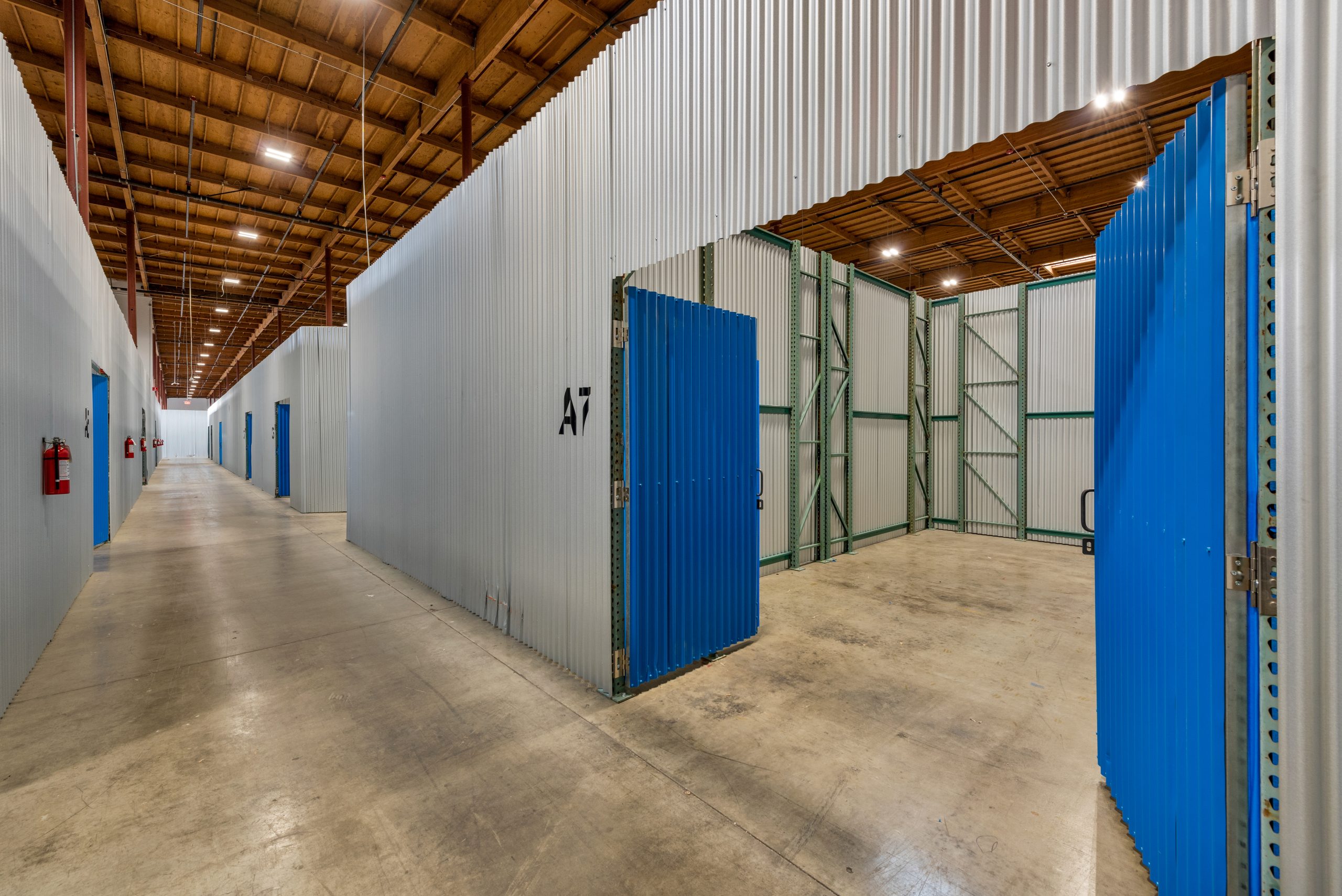
The Bay Area’s flexible warehouse market is defined by scarcity and cost. With developable land extremely limited and demand spanning tech hardware, life science, and last-mile logistics, small-bay and flex space near the urban core remains competitive even where big-box vacancy has risen. For the region’s many startups and small businesses, flexible space is often the only practical entry point.
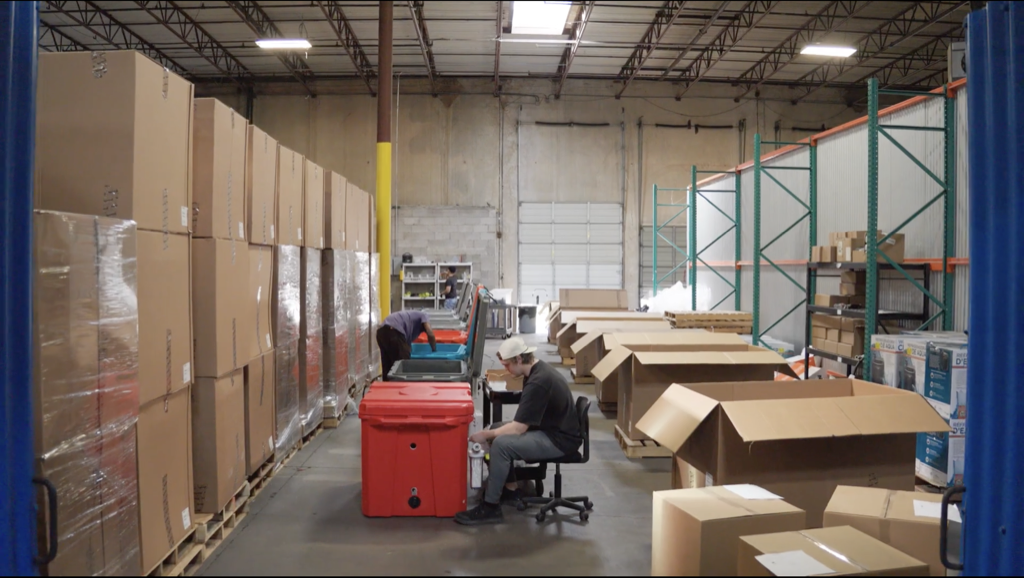
Who’s leasing flexible space in the Bay Area: hardware and advanced-manufacturing startups, last-mile and e-commerce operators serving affluent consumers, life science and lab-adjacent users, contractors and building trades, and importers and 3PLs working the Port of Oakland.
Browse available co-warehousing and small-bay warehouse listings on WareCRE’s Bay Area marketplace.
Looking for warehouse space in the Bay Area?
Key Trends to Watch
1. A Region Split in Two
The defining dynamic is the divergence between a softening East Bay warehouse market and a rebounding Silicon Valley. The metro average obscures two very different conditions — tenant leverage in Oakland/I-880, tightening in San Jose. Knowing which submarket fits your operation is essential. Read more: Small-Bay vs. Big-Box: What the Vacancy Gap Means in 2026.
2. Power as the New Land
As advanced manufacturing, EV, and data-adjacent uses grow, access to electrical power is becoming as much of a constraint as land in the Bay Area. Power-served industrial sites are increasingly advantaged, and grid limitations are quietly shaping where new supply can go. For broader context: Industrial Real Estate Trends & Outlook 2026.
3. Structural Scarcity Beneath the Soft Patch
Even with East Bay vacancy elevated, the Bay Area can’t build much new industrial — land, cost, entitlement, and power all constrain supply. That scarcity is why soft patches here tend to be cyclical, not structural, and why the market re-tightens when demand returns. See: How Tariffs Are Reshaping Warehouse Demand in 2026.
Outlook: What to Watch in Q2–Q3 2026
The Bay Area enters mid-2026 as a divided market, with the East Bay finding a floor and Silicon Valley building momentum.
Expect East Bay vacancy to stabilize as negative absorption narrows and the lack of new supply limits further loosening. Silicon Valley should keep tightening on advanced-manufacturing demand.
Rents should bottom in the East Bay after a steep correction, with Silicon Valley firming first. Concessions will narrow soonest in San Jose.
The biggest opportunity is for tenants who lock in East Bay warehouse space and concessions now, while leverage is at a multi-year high — and for operators positioned in the rebounding Silicon Valley and power-served sites.
Find warehouse space in the Bay Area
Browse co-warehousing, small-bay, and distribution listings across the San Francisco Bay Area.
Data sources: Kidder Mathews Oakland/East Bay and Silicon Valley Industrial Q1 2026, Cushman & Wakefield Oakland and Silicon Valley MarketBeats Q1 2026, JLL East Bay Industrial Market Dynamics Q1 2026, Colliers and Newmark Bay Area Q1 2026, WareCRE marketplace data (May 2026).
Related Resources
Frequently Asked Questions
What is the current industrial vacancy rate in the Bay Area?
It depends on the submarket. The East Bay — the region’s core warehouse market — rose to about 8.0–8.4% in Q1 2026, while Silicon Valley’s warehouse vacancy fell to 4.2% as that submarket rebounded with over 1 million SF of net absorption.
How much does warehouse space cost in the Bay Area?
Rents are quoted monthly NNN. East Bay asking rents fell to about $1.52/SF per month (roughly $18/SF annually), down 10.6% year-over-year, while Silicon Valley industrial sits near $1.80. Both are off their recent peaks.
Is the Bay Area a good market for warehouse tenants right now?
The East Bay is — rising vacancy and a 10.6% rent decline give tenants the strongest leverage in years on warehouse and distribution space. Silicon Valley is tightening again, so leverage there is fading. With little new construction, the favorable window may not last.
Which Bay Area submarket is best for warehouse space?
The East Bay (Oakland/I-880) is the core warehouse market and currently the most tenant-favorable. I-580/Tri-Valley offers big-box value. Silicon Valley is best for advanced manufacturing and R&D but tightening, and the North Bay/Peninsula serves supply-constrained last-mile demand.