Small Bay Industrial Guide: An In-depth Look At The Underdog of Industrial Real Estate
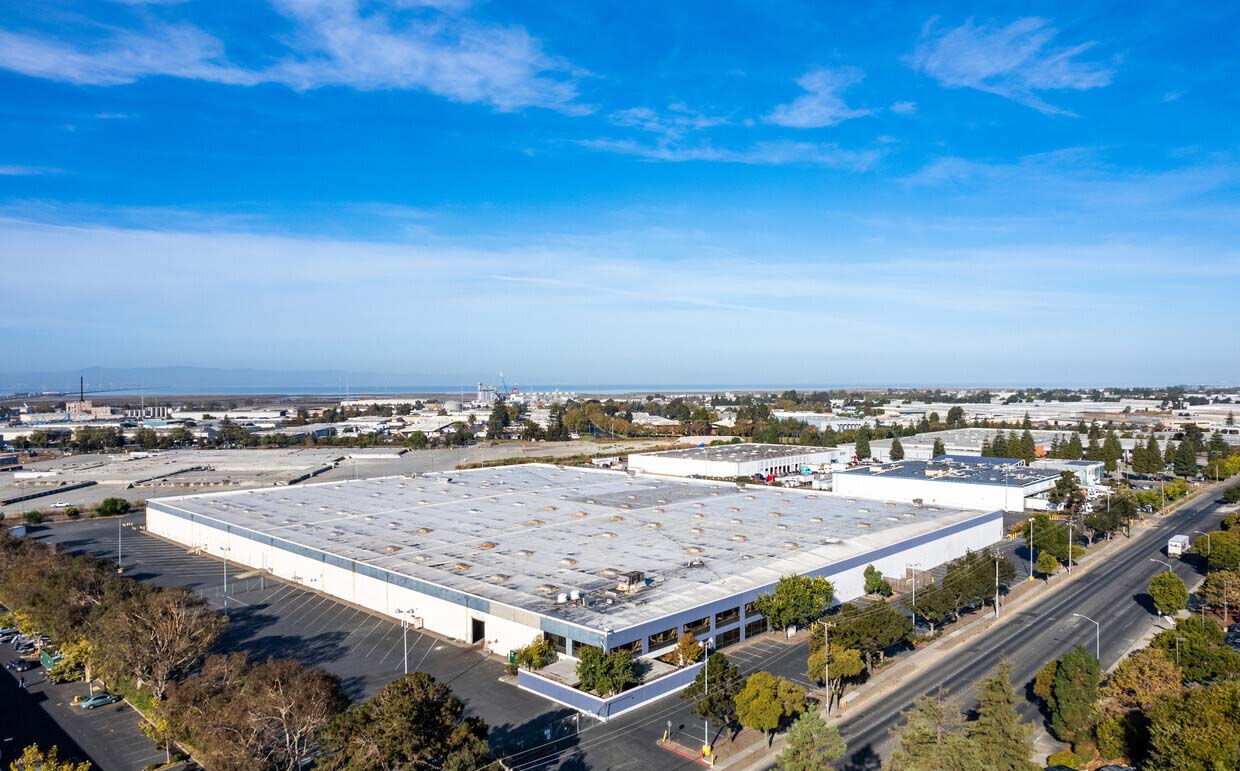
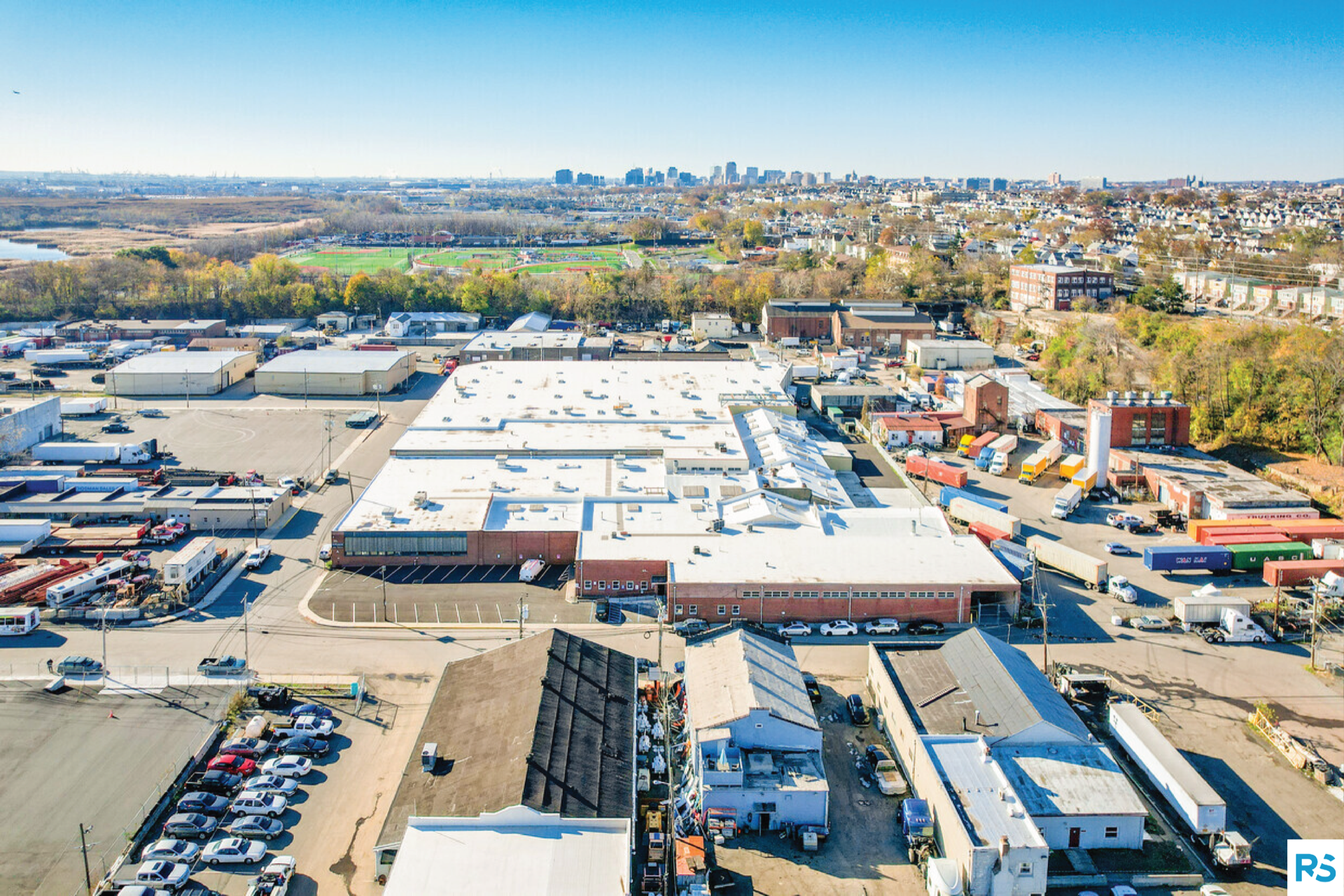
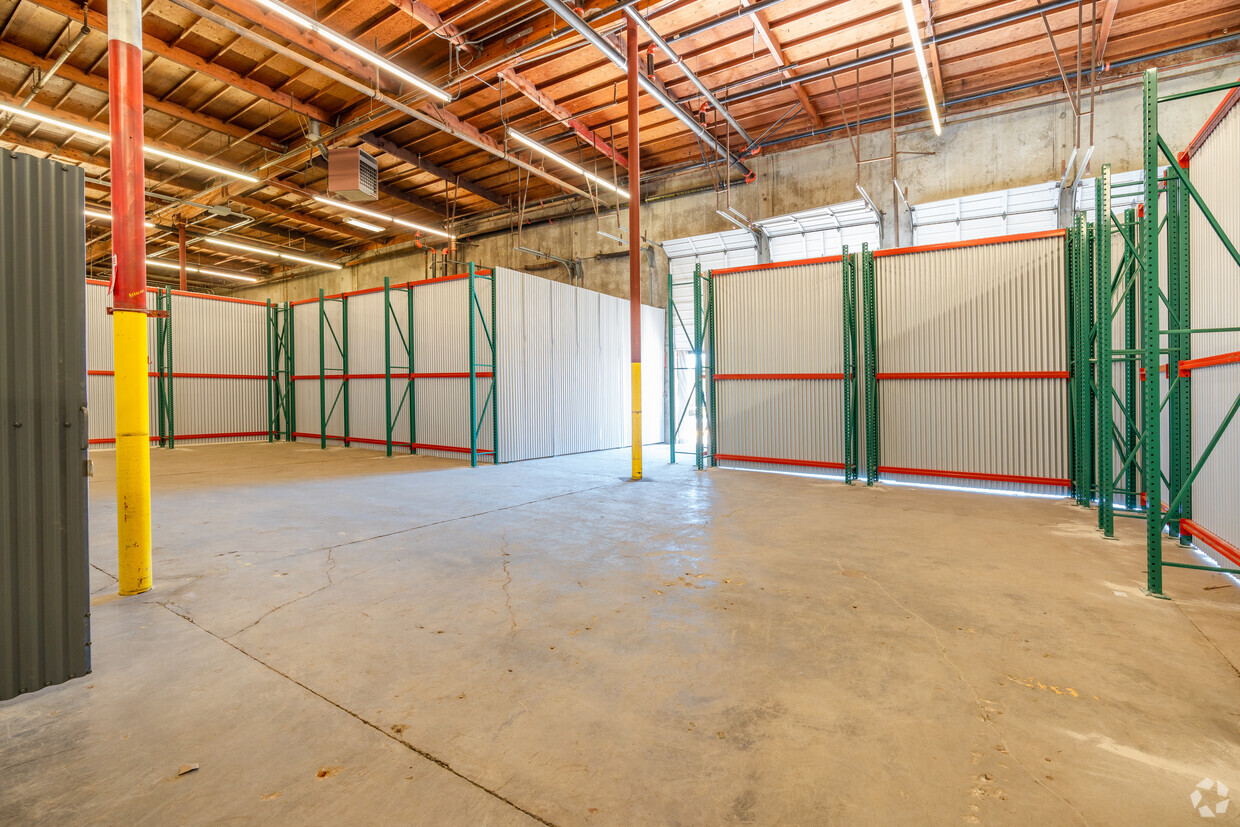
In an era dominated by massive distribution centers and million-square-foot fulfillment facilities, small bay industrial and micro bay industrial properties represent a fundamentally different approach to industrial real estate. With column spacing of 24 feet or less—and micro bay facilities offering even more compact configurations—these facilities weren’t designed for the pallet-in, pallet-out efficiency that defines modern logistics. Yet they continue to serve critical functions across manufacturing, last-mile delivery, flex space, and specialized operations.
Understanding the specifications, strengths, limitations, and ideal applications of small bay and micro bay industrial properties is crucial for tenants seeking alternatives to modern big-box warehouses and for investors evaluating repositioning opportunities for older industrial buildings.
Key Takeaways
- Small bay = column spacing ≤24 feet, typically with 14-20 ft clear heights (vs. 28-32 ft in modern warehouses)
- Micro bay = units under 5,000 SF, often with column spacing ≤16 feet—ideal for startups, contractors, and artisans
- Best for: Manufacturing, last-mile delivery, flex space, specialized storage, service operations, and small business incubation
- Rental rates: Small bay $0.40-0.65/SF/month; micro bay $0.75-1.25/SF/month (premium for smaller spaces)
- Key limitation: Single-deep racking only—lower storage density but every pallet position is immediately accessible
- Location advantage: Often in urban infill locations where proximity to customers outweighs storage efficiency
Defining Small Bay Industrial: Specifications and Characteristics
What is Bay Size?
Bay size refers to the distance between structural support columns in an industrial building, measured from the center of one column to the center of the next. This fundamental architectural specification determines virtually every operational consideration, from equipment maneuverability to racking configuration to workflow design.
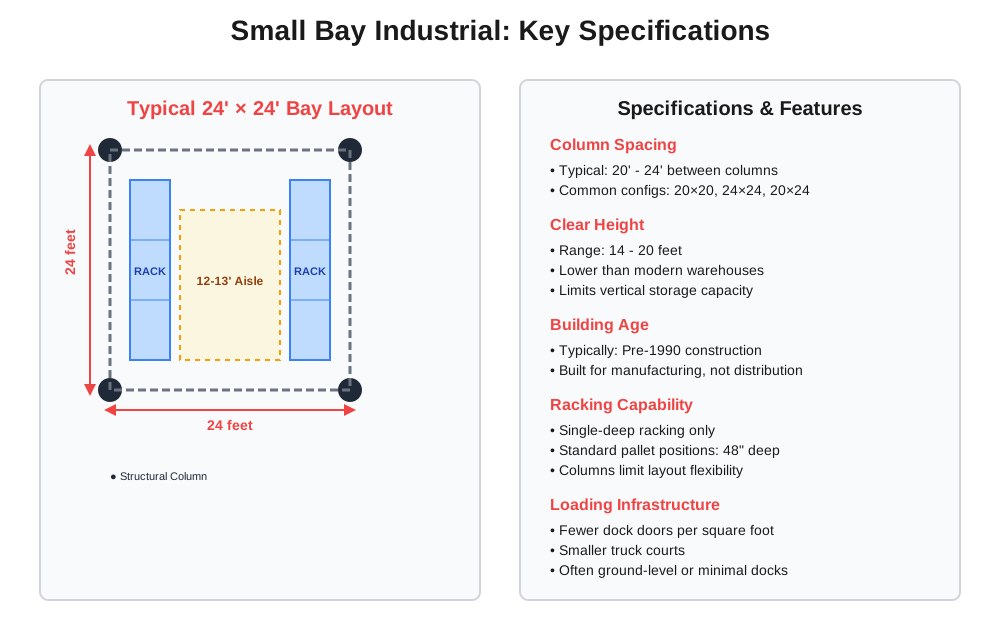
Small bay industrial spaces feature column spacing of 24 feet or less. The most common configurations include:
- 20′ × 20′ – Tighter spacing common in older urban facilities
- 24′ × 24′ – The upper range of small bay classification
- 20′ × 24′ or 24′ × 20′ – Rectangular bay configurations
These dimensions contrast sharply with modern mid-bay warehouses (28-36 feet spacing) and large bay facilities (40+ feet spacing), which were purpose-built for efficient palletized storage and modern material handling equipment.
Structural Characteristics
Clear Height Limitations: Clear ceiling heights in small bay facilities typically range from 14 to 20 feet, significantly lower than the 28- to 32-foot ceiling heights in modern warehouses. This vertical constraint directly limits cubic storage capacity and restricts the height of racking systems. While modern facilities can accommodate 3-4 levels of pallet racking, small bay buildings often max out at 2-3 levels. For more on how ceiling height affects operations, see our guide to loading docks, ceiling heights, and power requirements.
Structural Systems: Small bay construction typically employs one of two structural approaches:
- Concrete tilt-up construction – Precast concrete panels for walls with steel columns and beam roof systems
- Steel frame construction – All-steel structural systems with masonry or metal panel exteriors
Both systems create a close column grid that defines small bay functionality. The columns aren’t merely structural necessities; they become defining features of how the space can be utilized.
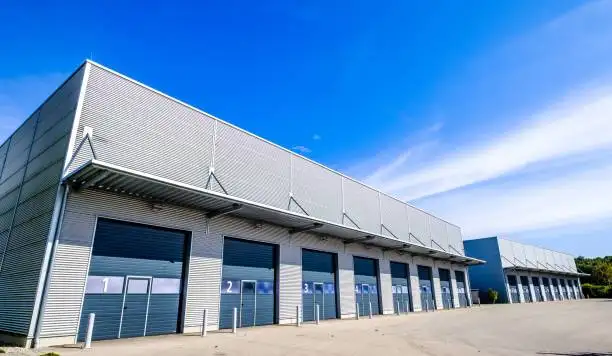
Loading Infrastructure: Small bay facilities generally feature fewer dock doors per square foot compared to modern warehouses. Truck courts tend to be smaller and tighter, designed for the smaller delivery vehicles common decades ago rather than today’s 53-foot trailers. Many small bay properties rely on grade-level loading or limited dock positions, which impacts operational efficiency for distribution-intensive users.
Understanding Micro Bay Industrial: The Smallest Building Blocks
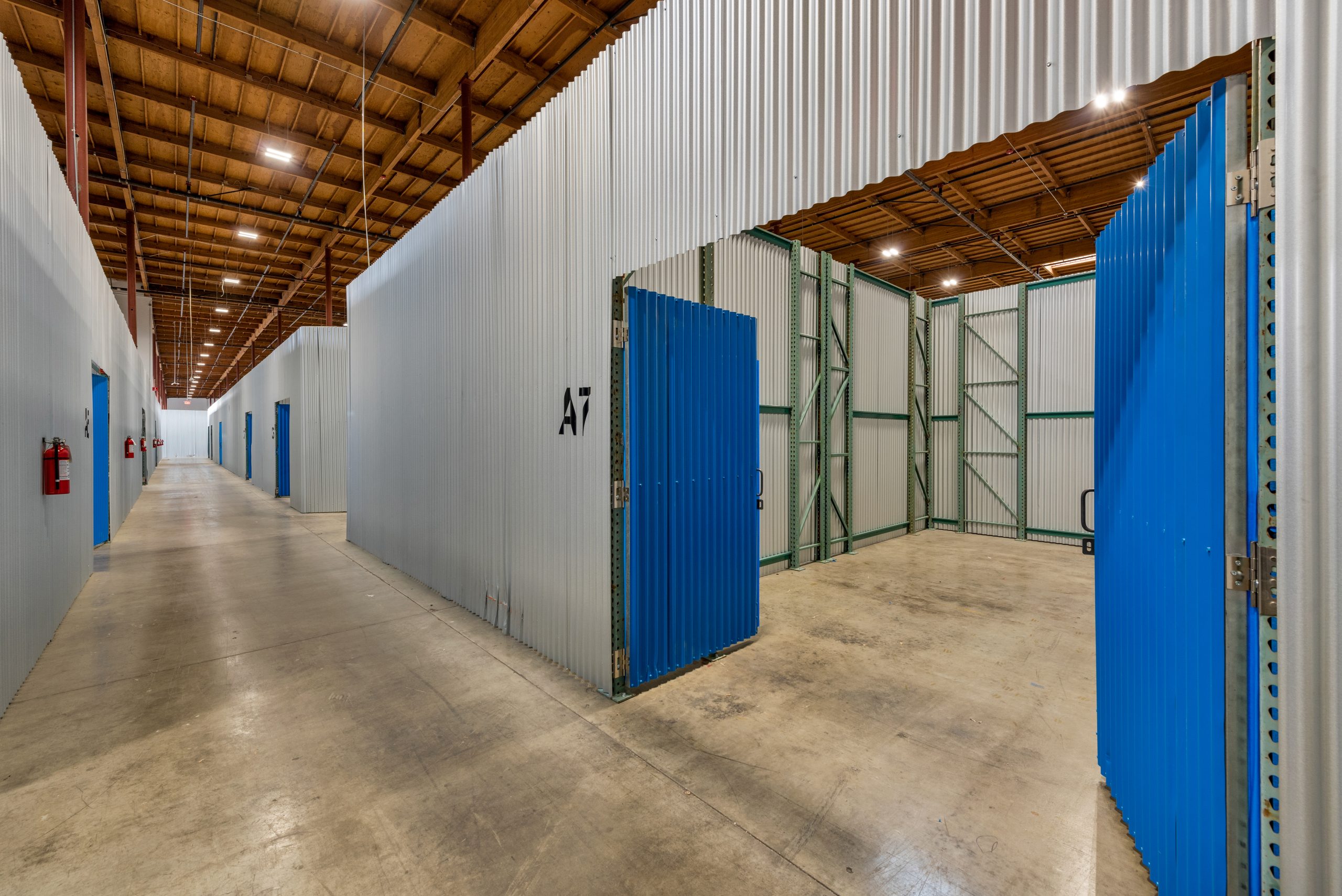
Micro bay industrial represents the smallest segment of the industrial real estate market—typically units under 5,000 square feet with column spacing of 16 feet or less. While “small bay” describes a building’s structural characteristics, “micro bay” often refers to both the compact column grid and the resulting small unit sizes that these buildings naturally create.
What Defines Micro Bay Industrial?
Micro bay properties share several distinguishing characteristics:
- Unit sizes: Typically 1,000-5,000 SF, with many in the 1,500-3,000 SF range
- Column spacing: Often 16 feet or less, creating a tight structural grid
- Clear height: Usually 12-16 feet—lower than small bay but sufficient for most small operations
- Multi-tenant buildings: Most micro bay space exists in subdivided industrial buildings or purpose-built multi-tenant facilities
- Grade-level loading: Drive-in doors rather than dock-high loading predominate
Micro Bay vs. Small Bay
Think of it this way: small bay describes the building’s column structure (≤24 ft spacing), while micro bay describes the resulting tenant space size (typically under 5,000 SF). A small bay building might house one 40,000 SF tenant or be subdivided into ten micro bay units of 4,000 SF each.
Where Micro Bay Industrial Thrives
Micro bay industrial properties serve a distinct tenant base that needs industrial functionality without the overhead of larger spaces:
Startup and Early-Stage Businesses: Companies testing product-market fit, building initial inventory, or establishing operations often need 1,500-3,000 SF of combined office, storage, and light production space. Micro bay properties provide this entry point without the financial commitment of larger facilities.
Service Contractors: Plumbers, electricians, HVAC technicians, landscapers, and other service businesses need space for vehicle parking, tool storage, and material staging—but rarely require more than 2,000-4,000 SF. Micro bay facilities are purpose-built for this use case.
E-commerce Micro-Fulfillment: Small e-commerce operators handling their own fulfillment, Etsy sellers scaling beyond home-based operations, and specialty retailers with direct-to-consumer shipping operations find micro bay space ideal for inventory management and order fulfillment.
Artisan Producers: Woodworkers, metalworkers, specialty food producers, craft beverage makers, and other artisan manufacturers often operate in micro bay spaces where the intimate scale supports hands-on production methods.
Overflow and Satellite Storage: Larger businesses sometimes lease micro bay units as overflow storage, seasonal inventory staging, or satellite distribution points closer to customer concentrations.
Micro Bay Economics
Micro bay industrial space commands a premium on a per-square-foot basis compared to larger small bay or mid-bay facilities:
Typical micro bay rental rates: $0.75-1.25/SF/month in most markets ($9-15/SF annually), compared to $0.40-0.65/SF for small bay and $0.55-0.85/SF for mid-bay space.
This premium reflects several factors:
- Higher management intensity: More tenants per building means more leases, more turnover, and more management overhead
- Subdivision costs: Creating micro bay units requires demising walls, separate utilities, individual fire suppression, and multiple access points
- Limited supply: Few developers build purpose-designed micro bay facilities; most micro bay space comes from subdivided older buildings
- Strong demand: Small business formation and the gig economy create steady demand for entry-level industrial space
However, the total monthly cost for a micro bay tenant remains manageable—a 2,000 SF unit at $1.00/SF/month costs $2,000/month, accessible for most small businesses.
The Operational Reality: How Column Spacing Impacts Function
Racking and Storage Density
The fundamental limitation of small bay industrial space is single-deep racking. With only 20-24 feet between columns, after accounting for:
- Racking depth (typically 42-48 inches front and back)
- Required forklift aisles (11-13 feet for counterbalance forklifts)
…there simply isn’t room for double-deep or triple-deep racking configurations that maximize cubic storage in modern warehouses.
This constraint means:
- Lower storage density per square foot compared to modern alternatives
- More aisle space relative to storage space (often 50-60% aisles vs. 30-40% in modern facilities)
- Higher cost per pallet stored when measured purely on storage efficiency
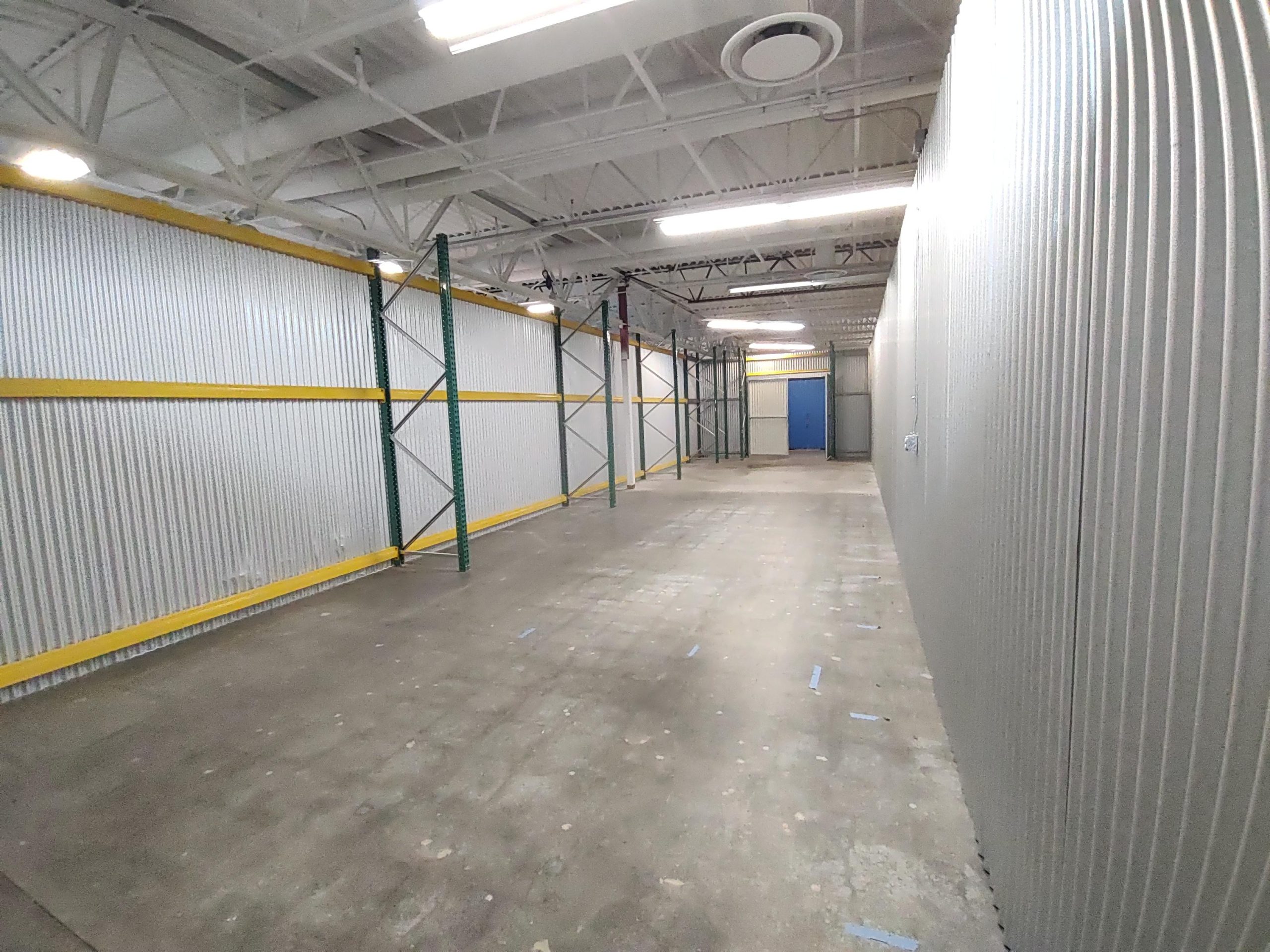
However, for operations that prioritize picking speed and accessibility over maximum density, single-deep racking can actually be advantageous—every pallet position is immediately accessible without moving other pallets.
Micro bay storage considerations: In micro bay units, traditional pallet racking often gives way to industrial shelving, bin storage, or floor stacking. The smaller footprints and lower ceiling heights make vertical storage less practical, so micro bay tenants typically optimize for workflow efficiency and accessibility rather than maximum cube utilization.
Material Handling Equipment Considerations
Small bay column spacing creates specific equipment challenges and opportunities:
Counterbalance Forklifts: Traditional counterbalance forklifts require approximately 12-13 feet of aisle width for safe operation and turning. This works well in small bay spaces, but consumes a significant percentage of the floor area. The tight column grid also means operators must execute more careful maneuvers when navigating bays.
Reach Trucks: Reach trucks, which require only 9-10 feet of aisle width in mid-bay facilities, offer marginal benefits in small bay environments. The columns still constrain layout flexibility, and the cost of reach trucks may not justify the modest space savings.
Turret Trucks and Very Narrow Aisle (VNA) Equipment: These advanced systems, which can operate in aisles as narrow as 6-7 feet, are generally incompatible with small bay facilities. The close column spacing prevents the long, uninterrupted racking runs these systems require, and the lower ceiling heights don’t justify the investment in specialized equipment.
Pallet Jacks and Manual Handling: For many small bay and most micro bay operations, traditional pallet jacks and manual material handling are the most economical solution. If volumes don’t justify powered equipment, the human-scale proportions of small bay and micro bay facilities can actually work well.
Workflow and Layout Design
Small bay architecture naturally compartmentalizes space. Rather than fighting this limitation, successful small bay tenants embrace it:
Cell-Based Manufacturing: The column grid provides natural divisions for production cells, quality control areas, and subassembly stations. Each bay can be assigned specific functions without the need for artificial barriers.
Zone-Based Storage: For warehousing operations, columns can define product zones, customer sections in 3PL operations, or staging areas. While this creates more complexity than open-plan warehouses, it can facilitate organization and inventory control.
Traffic Flow Patterns: Tight column spacing requires more deliberate traffic flow design. One-way aisles, clearly marked forklift paths, and dedicated receiving/shipping areas become more critical when columns restrict movement options.
Ideal Applications: Where Small Bay and Micro Bay Industrial Excel
Despite limitations for modern distribution, small bay and micro bay industrial properties thrive in specific applications where their characteristics become advantages.
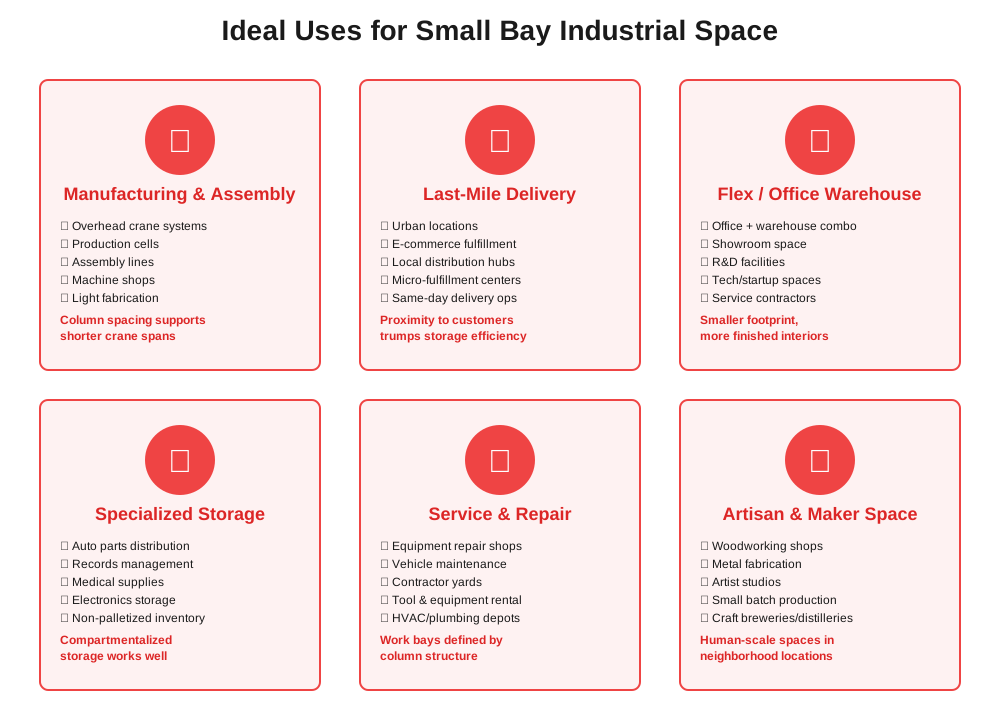
Manufacturing and Light Assembly Operations
Small bay facilities were designed for manufacturing, and this remains their strongest use case. The structural characteristics that limit warehousing efficiency actually support production operations:
Overhead Crane Systems: The closer column spacing reduces the span that overhead cranes must cover, lowering installation costs and allowing lighter-duty crane systems. A 20-foot crane span is significantly less expensive and easier to engineer than a 50-foot span, making small bay facilities economically attractive for operations requiring material lifting.
Production Cell Layout: Manufacturing operations are often organized into discrete production cells or assembly stations. The bay structure naturally defines these areas, providing:
- Clear spatial divisions between different production processes
- Natural locations for tool cribs, QC stations, and material staging
- Easier implementation of lean manufacturing principles (5S, kanban systems)
- Visual management—each bay’s function is immediately apparent
Utilities and Services: Small bay buildings often feature more robust electrical service and compressed air distribution than pure warehouse space. The manufacturing heritage means infrastructure was designed for equipment loads, welding operations, and production machinery rather than just lighting and HVAC.
Ideal manufacturing uses include: machine shops and metal fabrication, electronics assembly and testing, food production and packaging, pharmaceutical compounding, and prototype development.
If you’re evaluating space for manufacturing, our guide on manufacturing space requirements by growth stage can help you determine the right size facility.
Last-Mile Delivery and Urban Distribution
The rise of e-commerce and demand for rapid delivery has created unexpected value in small bay industrial properties, particularly those in urban infill locations.
Location Premium: Small bay facilities often occupy urban sites close to dense consumer populations. For last-mile delivery operations, proximity to customers often outweighs concerns about storage efficiency. A facility located 5 miles from delivery zones may be far more valuable than a modern warehouse 25 miles away, despite having lower cubic capacity.
Micro-Fulfillment Centers: E-commerce companies are increasingly deploying networks of smaller urban fulfillment points rather than relying solely on regional mega-warehouses. Small bay facilities with 15,000-40,000 square feet serve these micro-fulfillment strategies effectively:
- Holding high-velocity SKUs for same-day or 2-hour delivery
- Serving as staging points where goods break bulk from larger facilities
- Supporting local delivery services, meal kit delivery, and grocery fulfillment
- Accommodating last-mile delivery vehicle fleets (vans and small box trucks vs. 53′ trailers)
Parcel Delivery Hubs: Major carriers (UPS, FedEx, Amazon Logistics) increasingly seek smaller urban distribution points. Small bay facilities work well for package sorting and route loading, delivery driver marshalling areas, temporary surge capacity during peak seasons, and returns processing.
Flex Space and Office-Warehouse Combinations
Small bay industrial properties excel as flex space facilities that combine office, showroom, and warehouse functions, particularly for businesses requiring more office space than pure warehousing operations.
Office Conversion: The lower ceiling heights in small bay buildings (14-20 feet) are more suitable for office conversion than 32-foot clear warehouses. Creating mezzanine offices, conference rooms, and finished spaces is more economical and comfortable in human-scale buildings.
Ideal Flex Tenants:
- Technology companies needing demonstration space, assembly areas, and office
- Contractors and distributors requiring showrooms, customer areas, and material storage
- Architecture and design firms with sample libraries and workshop spaces
- Professional services with storage needs (law firms, medical records, media companies)
- Creative businesses blending production and office functions
Space Ratios: Flex tenants typically deploy 30-60% of square footage as office/showroom, with the remainder as warehouse/production. This ratio makes efficient use of small bay properties where pure warehousing would be suboptimal.
For more on finding the right mix of space types, see our guide on finding the right type of industrial space for your business.
Specialized Storage and Distribution
Certain storage operations actually benefit from small bay configurations, particularly those handling non-palletized inventory or requiring compartmentalized storage.
Auto Parts Distribution: Automotive aftermarket parts rarely ship on full pallets. Small bay facilities accommodate bin shelving, multi-tier shelving systems, zone-based organization by vehicle make/model, and will-call counter operations serving professional installers.
Records Management and Document Storage: Small bay buildings serve document storage providers well—high-density shelving systems don’t require wide column spacing, and climate control is easier in smaller-bay buildings.
Medical and Pharmaceutical Distribution: Healthcare products often require segregated storage zones, controlled access between zones, and temperature-controlled environments that are easier to maintain in smaller volumes.
Service and Repair Operations
Small bay column spacing naturally defines work bays for service-intensive industrial tenants:
- Equipment Repair: Forklift repair, commercial equipment refurbishment, restaurant equipment service
- Vehicle Maintenance: Fleet maintenance, specialty vehicle work, commercial equipment service
- Contractor Operations: Electrical, plumbing, HVAC contractors using space for tool storage, vehicle parking, material staging, and dispatch
Artisan Production and Maker Spaces
The neighborhood locations and human-scale proportions of small bay and micro bay buildings appeal to creative industrial users including woodworking and furniture makers, metal fabrication and artistic metalwork, small-batch food production, textile and garment manufacturing, and shared maker spaces with individual work bays and communal equipment.
Small Business Incubation (Micro Bay Specialty)
Micro bay properties serve a unique role as “starter space” for new industrial businesses:
- First-time entrepreneurs graduating from home-based or garage operations
- Side-hustle scaling: Businesses transitioning from hobby to commercial enterprise
- Test markets: Larger companies piloting new products or services in smaller footprints
- Franchise operators: Service-based franchises (cleaning, restoration, mobile services) needing modest operational bases
Financial Considerations: The Economics of Small Bay and Micro Bay
Understanding the financial realities of small bay and micro bay industrial space requires looking beyond simple rent-per-square-foot metrics.
Rental Rates
Small bay industrial space typically commands $0.40-0.65 per square foot per month in most U.S. markets, though rates vary significantly by location:
Urban Premium Markets: In constrained urban markets (Brooklyn, San Francisco, Seattle, Portland), small bay spaces can command $1.00-$1.50/SF/month due to their location value and limited supply.
Suburban Secondary Markets: In suburban locations competing with modern mid-bay and large bay facilities, small bay properties often sit at the bottom of the rental curve, offering value-conscious tenants cost savings.
Discount to Modern Product: Where comparable modern industrial space rents for $0.75-$1.00/SF/month, small bay facilities typically sit 30-40% below market to compensate for their functional limitations.
Micro Bay Premium: Micro bay units (under 5,000 SF) typically rent for $0.75-1.25/SF/month—a 50-100% premium over small bay rates—reflecting higher management costs, limited supply, and strong demand from small businesses.
| Bay Type | Column Spacing | Clear Height | Typical Unit Size | Typical Rent | Best For |
|---|---|---|---|---|---|
| Micro Bay | ≤16 ft | 12-16 ft | 1,000-5,000 SF | $0.75-1.25/SF | Startups, contractors, artisans, small e-commerce |
| Small Bay | 17-24 ft | 14-20 ft | 5,000-50,000 SF | $0.40-0.65/SF | Manufacturing, last-mile, flex space |
| Mid-Bay | 28-36 ft | 24-32 ft | 25,000-150,000 SF | $0.55-0.85/SF | 3PL, regional distribution, e-commerce fulfillment |
| Large Bay | 40+ ft | 32-40 ft | 100,000+ SF | $0.75-1.20/SF | Major distribution, cold storage, automation |
True Occupancy Costs
Evaluating small bay and micro bay economics requires understanding total occupancy costs. For guidance on calculating your all-in costs under different lease structures, see our guide to warehouse lease types explained.
Operating Expenses: Older small bay buildings often carry higher operating expenses due to outdated HVAC systems, older lighting (unless retrofitted to LED), higher maintenance costs for aging systems, and less efficient building envelopes.
Tenant Improvements: Small bay properties may require significant TI including racking systems engineered around columns, lighting upgrades, fire suppression upgrades, dock door additions, and power upgrades for modern equipment.
Micro Bay Considerations: Micro bay tenants often benefit from turnkey or lightly improved spaces, as landlords recognize that small tenants can’t absorb significant TI costs. However, micro bay leases typically offer shorter terms (1-3 years) and fewer concessions than larger spaces.
Investment and Repositioning
For industrial real estate investors, small bay and micro bay properties present specific opportunities:
Value-Add Repositioning: Small bay buildings often trade at significant discounts to replacement cost, creating value-add opportunities through flex space conversion with office build-outs, upgrading for last-mile delivery tenants, subdividing for multi-tenant users, or repositioning to alternative uses (creative office, retail, self-storage).
Micro Bay Subdivision: Converting single-tenant small bay buildings into multi-tenant micro bay facilities can significantly increase NOI through higher effective rents, though management intensity also increases.
Adaptive Reuse: Many small bay industrial buildings ultimately transition to non-industrial uses including self-storage conversion, creative office space, retail/showroom space, brewery/restaurant venues, and residential conversion in select high-value locations.
Evaluating Small Bay and Micro Bay Space: Key Questions for Tenants
If you’re considering small bay or micro bay industrial space, these questions help determine suitability:
1. Does Your Operation Prioritize Location Over Efficiency?
If proximity to customers, labor, or urban amenities is critical, small bay or micro bay facilities in infill locations may deliver more value than distant modern warehouses despite storage inefficiencies.
2. Is Your Inventory Suited to Single-Deep Racking or Shelving?
High-velocity inventory, non-palletized goods, or operations requiring frequent access to all SKUs can work effectively with single-deep racking or shelving. If you need maximum cubic density for slow-moving inventory, small bay won’t optimize costs.
3. What’s Your Space Requirement?
If you need under 5,000 SF, micro bay is likely your only option outside of self-storage. If you need 10,000-50,000 SF, small bay facilities offer the widest selection. Above 50,000 SF, mid-bay and large bay facilities provide better options.
4. What Material Handling Equipment Do You Use?
If your operation relies on manual handling, pallet jacks, or basic counterbalance forklifts, small bay works. If you require reach trucks, turret trucks, or automated systems, mid-bay or large bay facilities will deliver better ROI.
5. Does Your Operation Benefit from Compartmentalized Space?
Manufacturing cells, multi-client 3PL operations, or businesses requiring segregated work zones may find the bay structure advantageous rather than limiting.
6. Is Your Building Use Mixed (Office/Warehouse)?
If you require substantial office space (exceeding 25% of total area), small bay buildings with lower ceilings and better finishes often offer more favorable economics than converting high-bay warehouse space.
7. Do You Need Overhead Lifting Capability?
If your operation requires overhead cranes or hoists, small bay facilities offer installation cost advantages due to shorter span requirements.
8. What’s Your Growth Trajectory?
If you anticipate rapid growth in storage needs, starting in micro bay or small bay space may create expensive relocation requirements. If your footprint is stable, small bay may be a suitable long-term solution.
Understanding Alternatives: The Full Bay Size Spectrum
Understanding alternatives helps contextualize when small bay and micro bay make sense.
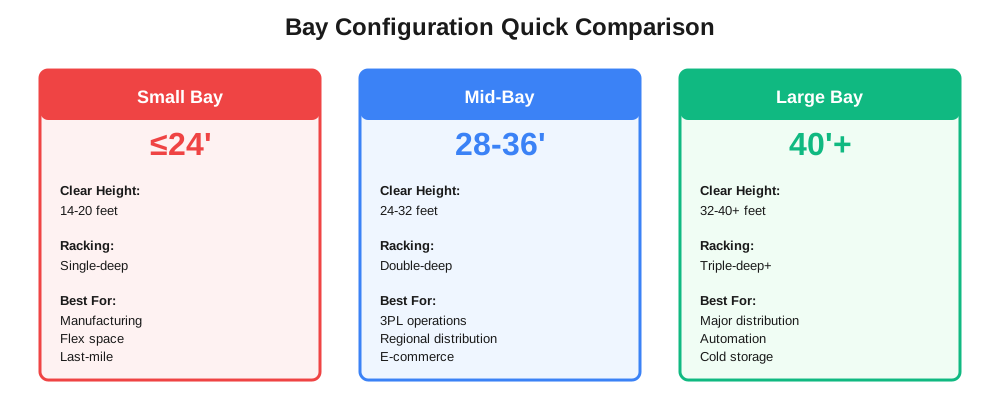
Micro Bay Properties (≤16′ spacing, units under 5,000 SF) serve entry-level industrial users, small service businesses, and specialized operations where the intimacy of small space is a feature rather than limitation. These properties command per-SF premiums but deliver accessible total monthly costs for small businesses.
Small Bay Warehouses (17-24′ spacing) bridge the gap between micro facilities and modern distribution buildings. They serve manufacturing, flex space, and specialized distribution effectively while offering better value than larger modern facilities for uses that don’t require maximum storage efficiency.
Mid-Bay Warehouses (28-36′ spacing) represent the current construction standard for Class A industrial buildings. These facilities offer double-deep racking, good equipment maneuverability, and serve the broadest range of users including 3PL operators, regional distributors, and e-commerce fulfillment centers.
Large Bay Warehouses (40’+ spacing) deliver maximum storage efficiency with triple-deep or greater racking, very narrow aisle capability, and optimal automation accommodation. These facilities command premium rents but maximize cubic utilization for major distribution centers and automated fulfillment operations.
For most warehousing-intensive operations, mid-bay or large bay facilities will deliver superior operational efficiency. Small bay and micro bay properties succeed where location, specialized use, manufacturing requirements, or budget constraints take precedence over pure storage efficiency.
The Future of Small Bay and Micro Bay Industrial
Despite decades of predictions about small bay obsolescence, these properties maintain relevance:
Urban Densification: As cities restrict outward sprawl and prioritize infill development, small bay properties in established industrial zones gain value. Last-mile delivery requirements ensure continued demand for urban industrial space.
Manufacturing Reshoring: Supply chain disruptions and reshoring initiatives are revitalizing domestic manufacturing. Small bay facilities, purpose-built for production, serve this trend well.
Small Business Formation: Record rates of new business formation since 2020 have created sustained demand for micro bay and small bay space. These entry-level industrial facilities serve as the launching pad for tomorrow’s larger tenants.
Mixed-Use Evolution: Progressive zoning increasingly allows industrial uses in mixed-use developments. Small bay and micro bay properties integrate more successfully into these environments than massive warehouses.
Frequently Asked Questions
What is small bay industrial?
Small bay industrial refers to warehouse and manufacturing buildings with column spacing of 24 feet or less, typically with clear heights of 14-20 feet. This contrasts with modern mid-bay (28-36 ft spacing) and large bay (40+ ft) warehouses designed for high-density palletized storage.
What is micro bay industrial?
Micro bay industrial describes the smallest segment of industrial space—typically units under 5,000 SF with column spacing of 16 feet or less. These compact spaces serve startups, service contractors, artisan producers, and small e-commerce operators who need industrial functionality without the overhead of larger facilities.
What are small bay warehouses best used for?
Small bay warehouses excel for manufacturing and light assembly, last-mile delivery operations, flex space combining office and warehouse, specialized storage (auto parts, records, pharmaceuticals), service and repair operations, and artisan/maker spaces. The column grid naturally compartmentalizes space for these uses.
How much does small bay and micro bay industrial space cost?
Small bay industrial typically rents for $0.40-0.65 per square foot per month in most U.S. markets. Micro bay space commands a premium of $0.75-1.25/SF/month due to limited supply and higher management costs. In urban premium markets like Brooklyn, San Francisco, or Seattle, both categories can reach $1.00-1.50/SF.
Why can’t small bay warehouses use double-deep racking?
With only 20-24 feet between columns, after accounting for racking depth (42-48 inches front and back) and forklift aisles (11-13 feet), there isn’t room for double-deep configurations. Small bay is limited to single-deep racking, which reduces storage density but makes every pallet position immediately accessible.
What is the difference between micro bay, small bay, mid-bay, and large bay warehouses?
Micro bay has column spacing ≤16 feet with units typically under 5,000 SF, ideal for small businesses. Small bay has spacing of 17-24 feet with 14-20 ft ceilings, suited for manufacturing and flex space. Mid-bay (28-36 ft spacing, 24-32 ft ceilings) is the current Class A standard for general warehousing. Large bay (40+ ft spacing, 32-40 ft ceilings) delivers maximum efficiency for major distribution and automation.
Who should consider micro bay industrial space?
Micro bay industrial is ideal for startup businesses graduating from home-based operations, service contractors (plumbers, electricians, HVAC), small e-commerce operators doing their own fulfillment, artisan producers and makers, and established businesses needing satellite storage or overflow space.
Find Small Bay & Micro Bay Industrial Space
Browse small bay and micro bay properties alongside modern mid-bay and large bay facilities across all markets.
Search Available Properties