Calgary Industrial & Warehouse Market Report | Q1 2026
Key Takeaways
- Calgary’s industrial warehouse market remains one of the tightest in Canada, with overall vacancy at 5.2% (Cushman & Wakefield) and warehouse-specific vacancy near 3.0%. Q1 2026 saw 231,000 SF of positive net absorption driven by strong owner-user demand and small-bay leasing activity.
- Average net asking rents held firm at C$10.49/SF, reflecting sustained demand for quality industrial product. Higher-quality space continues to lease well ahead of older inventory, with a pronounced flight-to-quality trend across the metro.
- Construction activity remains constrained at 3.27 million SF under construction, with limited availability and ongoing supply constraints across key submarkets. The majority of pipeline is build-to-suit or pre-leased, minimizing speculative supply risk.
- Calgary’s unique combination of energy sector investment, clean energy transition, Alberta’s 8% corporate tax rate, and predominantly domestic demand drivers make it structurally resilient to U.S.-Canada trade uncertainty. Browse Calgary warehouse listings on WareCRE.
5.2%
Overall Industrial Vacancy
C$10.49
Avg. Net Asking Rent (PSF)
3.27M
SF Under Construction
231K
SF Net Absorption (Q1)
Calgary’s industrial warehouse market continues to operate from a position of fundamental strength heading into 2026. With overall vacancy at 5.2% and warehouse-specific vacancy near 3.0%, the metro is among the tightest industrial markets in Canada and significantly outperforms the national average. Unlike Toronto and Vancouver, which have seen vacancy rise from pandemic-era lows, Calgary’s correction has been contained, and the conditions for further tightening are building.
For businesses looking for warehouse space in Calgary, the market presents a paradox: strong fundamentals but manageable entry points. Alberta’s lowest-in-Canada corporate tax rate (8%), a diversified energy and logistics economy, and predominantly domestic demand drivers create a structural floor under the market that most Canadian metros lack. Here’s what the Q1 2026 data shows and what it means for tenants, operators, and investors.
Market Snapshot: Q1 2026
| Metric | Q1 2026 | Context |
|---|---|---|
| Overall industrial vacancy | 5.2% | Up just 10 bps QoQ; well below national avg. |
| Warehouse-specific vacancy | ~3.0% | Among lowest in Canada |
| Avg. net asking rent | C$10.49/SF | Firm; quality product leasing above avg. |
| Q1 net absorption | +231K SF | Sustained positive, led by owner-user demand |
| Under construction | 3.27M SF | Mostly BTS/pre-leased; limited spec |
| Canada national industrial vacancy | 3.5% | First decline since 2022 (Colliers) |
| Alberta corporate tax rate | 8% | Lowest in Canada |
Note: Calgary industrial rents are typically quoted as net asking rates per square foot. Additional occupancy costs (operating expenses and property taxes) vary by property but typically add C$4–6/SF, bringing total occupancy costs to C$14–17/SF. All dollar figures are Canadian dollars unless otherwise noted.
Rent Trends: Firm and Favoring Quality
Average net asking rents at C$10.49/SF reflect a market where demand continues to outpace the meaningful addition of new supply. Unlike Toronto and Vancouver, where rents have corrected 5–10% from peaks, Calgary’s rental trajectory has been more stable, consistent with a market that never experienced the same degree of pandemic-era overheating.
The flight-to-quality trend is pronounced: higher-quality Class A industrial space with modern clear heights, efficient loading, and energy-compliant building systems is leasing well ahead of older inventory. Owners of modern product are holding rate and pushing rents, while older Class B/C space faces longer lease-up timelines and more competitive pricing. Small-bay product under 10,000 SF remains in the tightest segment, with minimal vacancy and growing pricing power.
For Tenants
Calgary isn’t in a correction. It’s in a tight market with upward pressure on rents. Unlike Toronto or Denver, there’s no tenant-favorable window from softening fundamentals here. Your best strategy: act on quality space when it becomes available, especially in the small-bay segment where options are scarce. The south and southeast submarkets offer the deepest selection of modern product. Consider the Airdrie-Cochrane corridor for value without sacrificing QE2 Highway connectivity. Search Calgary warehouse listings on WareCRE.
Construction Pipeline: Constrained by Design
Calgary has 3.27 million SF under construction as of Q1 2026, but the effective new supply is smaller than it appears. The majority of the pipeline is build-to-suit or pre-leased, with limited speculative construction. Developers are requiring pre-leasing commitments before breaking ground, a conservative approach that reflects both higher financing costs and recognition that the market’s tight vacancy doesn’t justify spec risk.
The small-bay segment faces a three-year supply drought. Virtually no new multi-tenant small-bay product has been built, compounding tightness in a segment where vacancy has fallen 45% over the past three years. The 18–24 month lag between construction starts and deliveries means Calgary’s supply constraints will become increasingly apparent through late 2026 and into 2027.
Notable pipeline activity includes a C$200 million solar panel manufacturing facility (350,000 SF) in Rocky View County and a 600-acre clean energy industrial park that broke ground in Q1 2026, reflecting the energy transition’s growing footprint in Calgary’s industrial landscape.
For Operators
You’re operating in one of Canada’s tightest industrial markets with upward rent pressure and constrained new supply. Small-bay and multi-tenant operators have particular pricing power. With no new small-bay construction in the pipeline and vacancy compressed to historic lows, this segment is positioned for continued rent appreciation. Push rates on quality product and hold firm on renewals. Investors are taking notice: Class A industrial assets in Calgary offer compelling yields relative to Toronto and Vancouver.
Submarket Breakdown
Southeast Calgary (Foothills Industrial / Shepard / Dufferin)
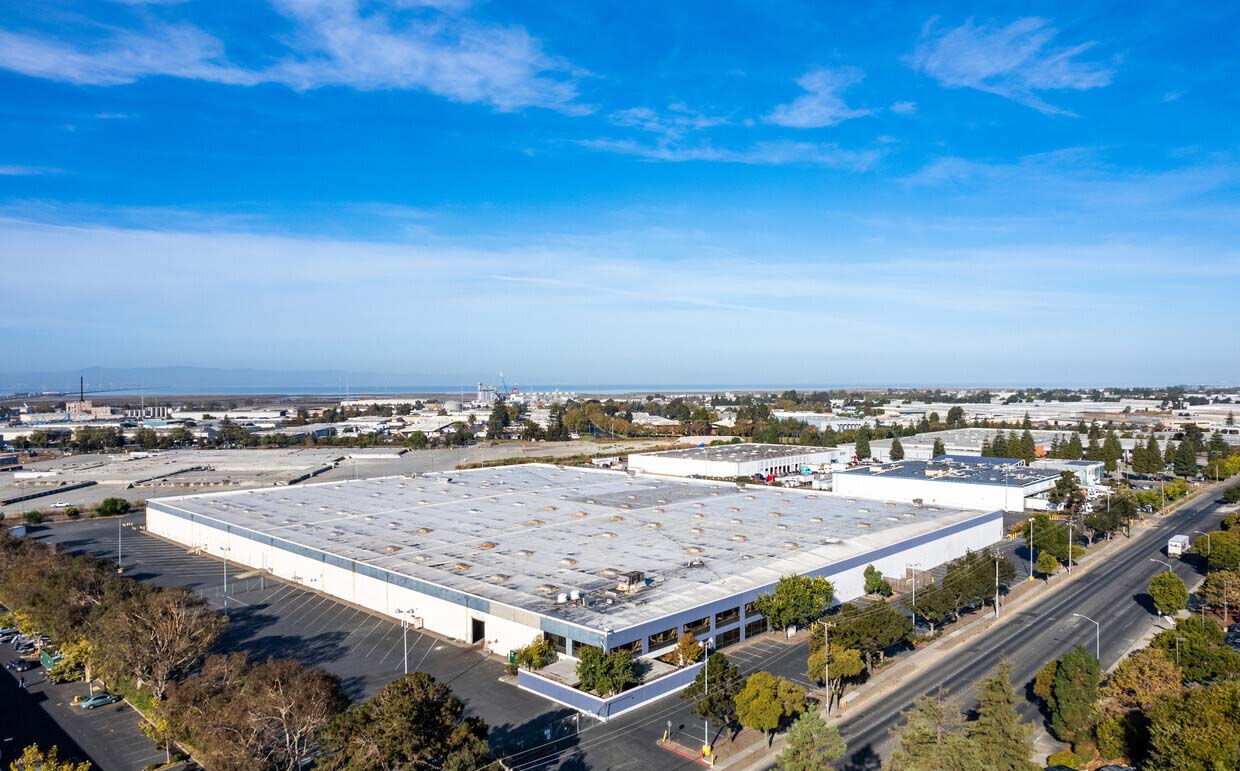
Calgary’s primary distribution and logistics corridor. Southeast submarkets benefit from direct access to Deerfoot Trail (Highway 2), Stoney Trail, and the CP intermodal facility. This is where the largest Class A logistics facilities are concentrated, with rents in the C$10–12/SF net range for modern product. Strong demand from e-commerce fulfillment, food distribution, and energy services companies.
Northeast Calgary (Meridian / CrossIron / Calgary International Airport)
Anchored by the Calgary International Airport, the northeast offers advantages for air freight, cross-docking, and time-sensitive distribution. The TransCanada Highway corridor connects to the broader Alberta logistics network. Rents range from C$9–11/SF net. Strong demand from agricultural export operations and perishable goods distribution.
South Calgary / Airdrie-Cochrane Corridor
The emerging value play for cost-sensitive distribution operations. Airdrie (35 km north of downtown) has transformed into a logistics hub with vacancy at 4.1% and net lease rates of C$10.50–13/SF. The QE2 Highway provides direct connectivity to Calgary’s core, Edmonton, and the broader Alberta market. Rocky View County offers lower property taxes and flexible zoning for clean energy and agri-tech users.
Central Calgary (Manchester / Highfield / Bonnybrook)
The infill industrial core. Limited new development and conversion pressure from residential uses create structural undersupply for small-bay and multi-tenant product. Rents are above the metro average for small-format space. This is where co-warehousing demand is strongest, serving urban SMBs, trades, and service businesses.
| Submarket | Vacancy | Net Rent Range (C$/SF) | Q1 2026 Profile |
|---|---|---|---|
| SE Calgary | Tight | C$10–$12 | Primary logistics, modern Class A |
| NE Calgary / Airport | Moderate | C$9–$11 | Air freight, cross-dock, ag exports |
| Airdrie / Rocky View | ~4% | C$10.50–$13 | Value play, clean energy, tightening |
| Central Calgary | Very tight | C$11–$14 | Infill, small-bay, co-warehousing |
Co-Warehousing & Flexible Warehouse Space in Calgary
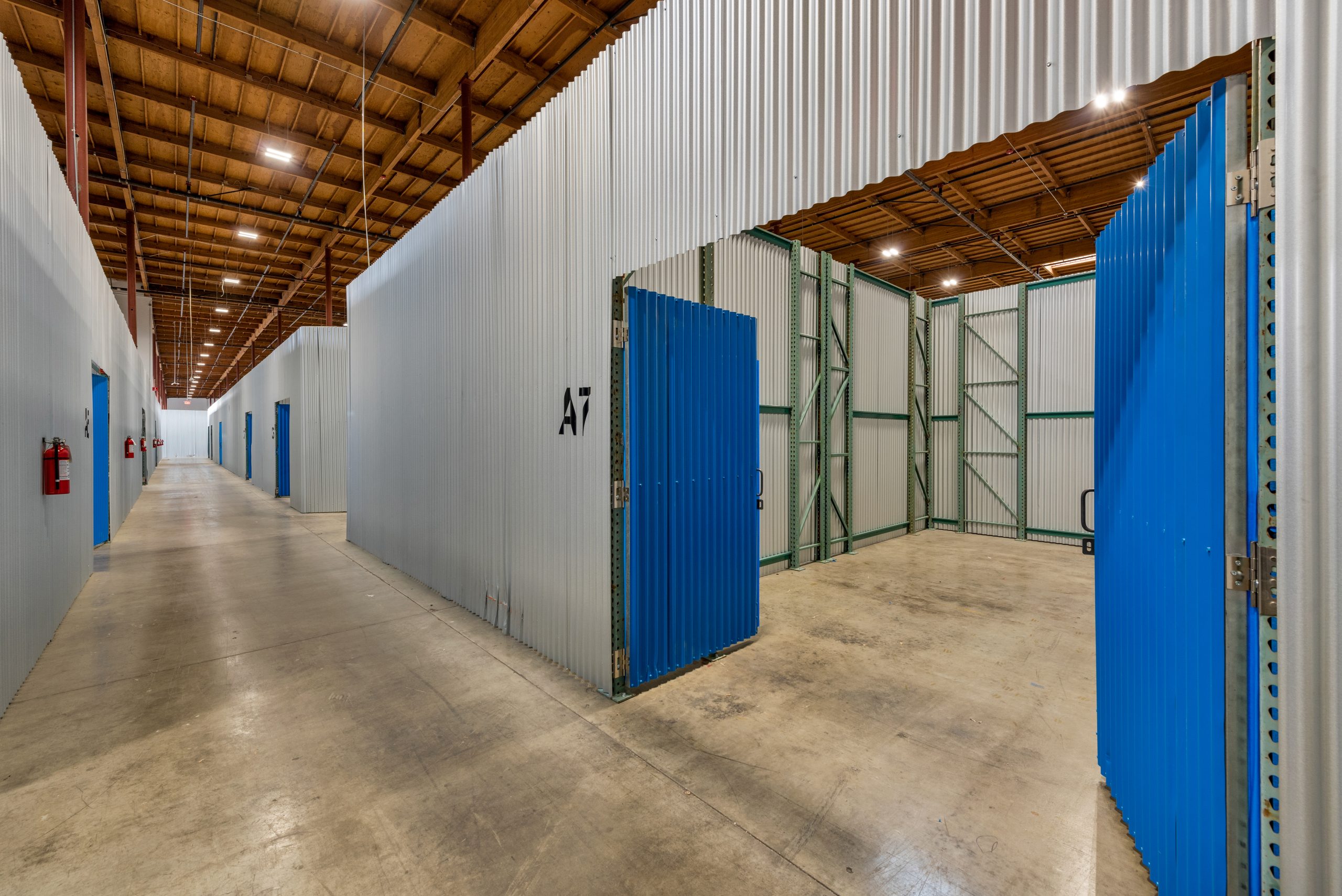
Calgary’s co-warehousing market benefits from the acute small-bay undersupply across the metro and Alberta’s entrepreneurial business climate. With small-bay vacancy well below the overall market and no new small-bay supply in the pipeline, flexible space operators face virtually no competitive pressure from traditional developers.
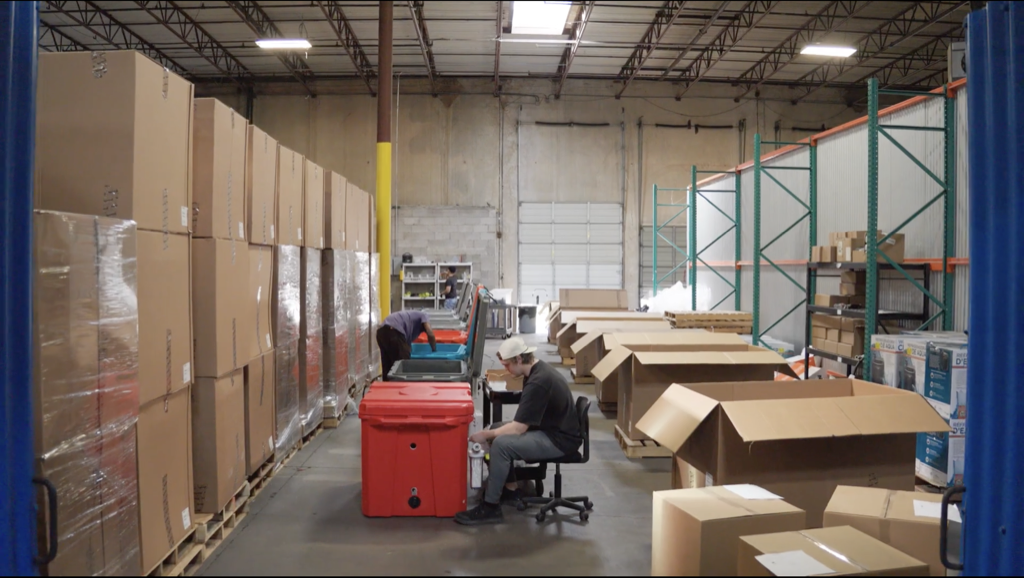
Who’s leasing flexible space in Calgary: Energy services and oilfield supply companies needing equipment staging and storage, e-commerce businesses serving the Alberta consumer market, construction trades supporting Calgary’s residential and commercial building boom, food and beverage producers serving Western Canada’s restaurant and hospitality industry, and clean energy startups requiring space for equipment testing and distribution.
Browse available co-warehousing and small-bay warehouse listings on WareCRE’s Calgary marketplace.
Looking for warehouse space in Calgary?
Key Trends to Watch
1. Energy Transition Creates New Industrial Demand
Calgary is positioned at the intersection of traditional energy and the clean energy transition. New manufacturing facilities for solar panels, wind turbine components, and hydrogen infrastructure are joining the traditional oil and gas supply chain in the industrial tenant mix. A 600-acre clean energy industrial park broke ground in Q1 2026, and pre-lease commitments from wind turbine manufacturers signal growing demand from this sector. This diversification strengthens Calgary’s demand base and reduces dependence on commodity cycles. For broader industrial trends, see: Industrial Real Estate Trends & Outlook 2026.
2. Small-Bay Supply Drought Intensifies
Three years without meaningful small-bay construction has compressed vacancy in this segment to historic lows. The economics of building sub-20,000 SF multi-tenant product simply don’t compete with larger-format logistics facilities for developer attention. This is the segment with the most room for rent growth, and the longest runway before new supply arrives to moderate pricing power. See our analysis: Small-Bay vs. Big-Box: What the Vacancy Gap Means for Tenants and Operators.
3. Trade Resilience from Domestic Demand Drivers
While CUSMA uncertainty weighs on cross-border trade-dependent markets like Toronto, Calgary’s warehouse demand drivers are predominantly domestic: e-commerce fulfillment for Alberta’s population, energy sector supply chains, agricultural distribution, and construction materials storage. This domestic orientation provides structural resilience against trade policy disruptions. Read more: How Tariffs Are Reshaping Warehouse Demand in 2026.
4. Alberta Tax Advantage Attracts Investment
Alberta’s 8% corporate tax rate, the lowest in Canada, combined with no provincial sales tax and competitive property tax rates creates a compelling cost structure for industrial occupiers and investors. This tax advantage, paired with tight vacancy and stable rents, is attracting capital from markets where yields have compressed further (Toronto, Vancouver). Industrial investors seeking better risk-adjusted returns are increasingly looking west.
Outlook: What to Watch in Q2–Q3 2026
Calgary’s industrial market is positioned for continued strength. Unlike markets where the story is recovery from correction, Calgary’s story is sustained tightness with upward pressure on rents and limited relief from new supply.
Expect vacancy to remain compressed in the 3–5% range through 2026, with warehouse-specific vacancy potentially pushing below 3%. The constrained construction pipeline and predominantly pre-leased development mean meaningful new supply won’t hit the market until 2027 at the earliest.
Rents will continue their upward trajectory, modest for the overall market but potentially 8–12% annual growth for small-bay product where the supply/demand imbalance is most acute. Quality modern product will lead, while older inventory faces pressure to offer competitive pricing or invest in upgrades.
Watch the energy transition as a growing source of industrial demand. Clean energy manufacturing, hydrogen infrastructure, and carbon capture facilities are creating net-new tenant demand in a segment that barely existed in Calgary five years ago.
The biggest risk is a sharp decline in oil prices that undercuts Alberta’s broader economy. However, Calgary’s increasing diversification into tech, clean energy, logistics, and agriculture means the industrial market’s commodity sensitivity has meaningfully declined from previous cycles.
Find warehouse space in Calgary
Browse co-warehousing, small-bay, and distribution listings across the Calgary metro.
Data sources: Cushman & Wakefield Calgary Industrial MarketBeat Q1 2026, Calgary Industrial Group Q1 2026 Report, Colliers Canada National Industrial Report Q1 2026, CREB Industrial Market Statistics, WareCRE marketplace data (May 2026).
Related Resources
Frequently Asked Questions
What is the current industrial vacancy rate in Calgary?
Calgary’s overall industrial vacancy is approximately 5.2% as of Q1 2026 (Cushman & Wakefield), with warehouse-specific vacancy near 3.0%, among the lowest in any major Canadian market. Small-bay vacancy is even tighter, reflecting a three-year supply drought for multi-tenant product.
How much does warehouse space cost in Calgary?
Average net asking rents are C$10.49/SF as of Q1 2026. Total occupancy costs (including operating expenses and property taxes) typically range from C$14–17/SF. Rents vary by submarket: southeast distribution corridors run C$10–12/SF net, central infill space commands C$11–14/SF, and the Airdrie corridor ranges from C$10.50–13/SF.
How does Calgary compare to Toronto for warehouse costs?
Calgary offers significantly lower all-in warehouse costs than Toronto. Net asking rents (C$10.49/SF vs. C$16.49/SF in the GTA) are roughly 35% lower, and Alberta’s 8% corporate tax rate is the lowest in Canada. Combined with no provincial sales tax, Calgary provides a compelling cost advantage for distribution operations serving Western Canada.
Is Calgary industrial real estate affected by U.S.-Canada tariffs?
Less than most Canadian markets. Calgary’s warehouse demand is predominantly domestic, driven by e-commerce fulfillment, energy sector supply chains, agricultural distribution, and construction materials. This domestic orientation provides structural resilience against cross-border trade disruptions, though the July 2026 CUSMA review remains a broader market variable.