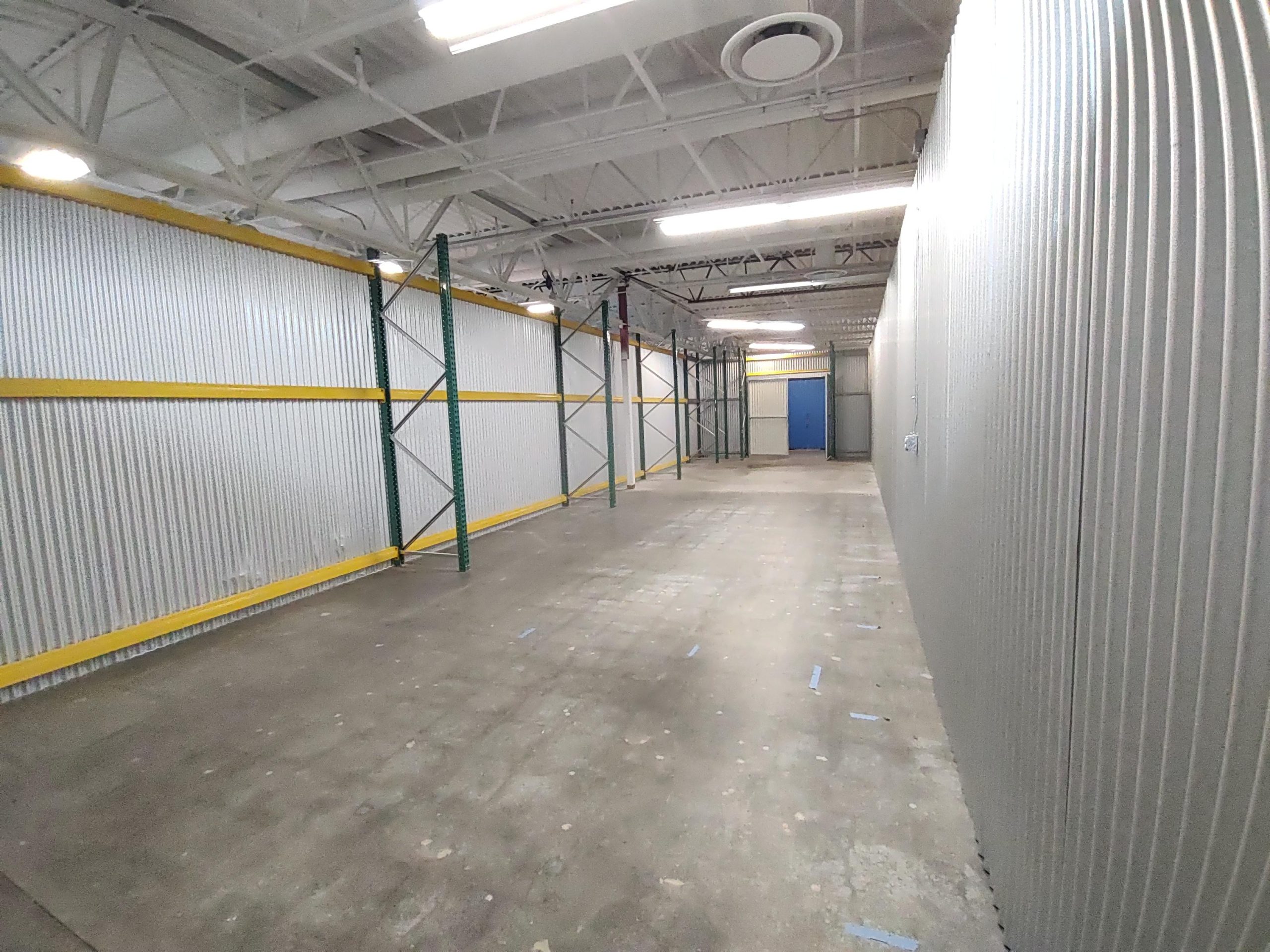
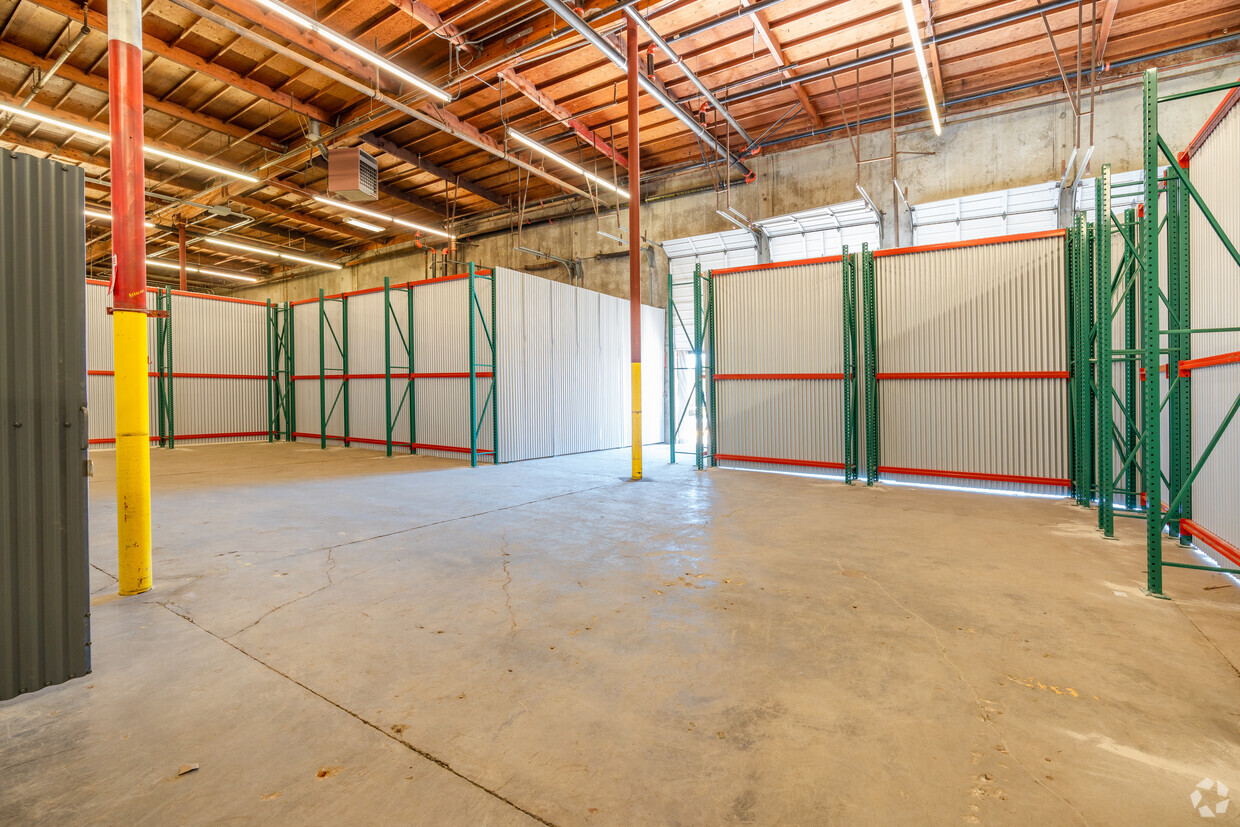
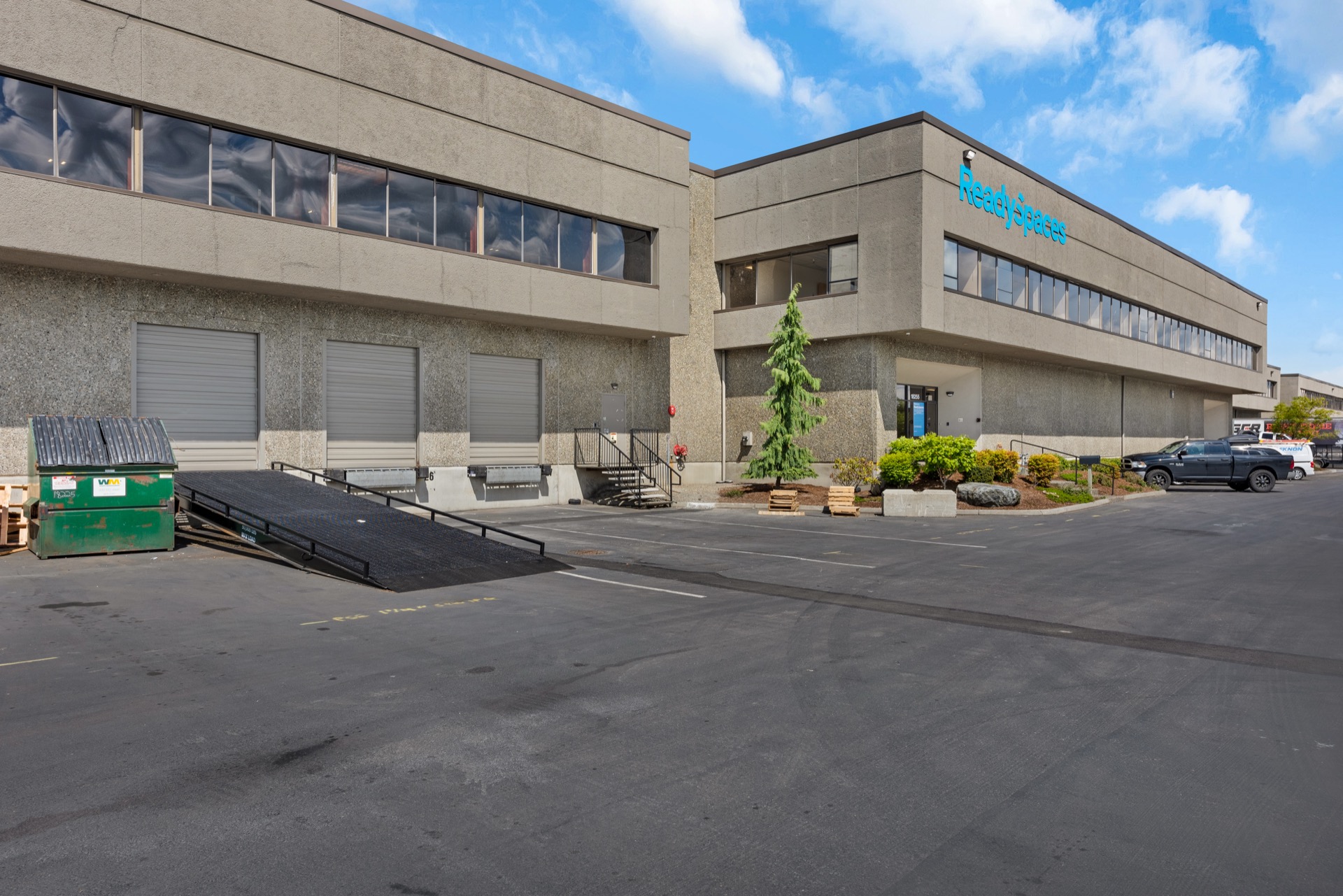
What is Cowarehousing?
Cowarehousing is a rapidly growing trend, offering businesses a flexible and cost-effective solution for their storage and workspace needs. In this guide, we’ll dive into the benefits, share questions & tips, highlight some inspiring stories from businesses that have partnered with ReadySpaces, and break down what other competitors are out there in the cowarehousing industry.
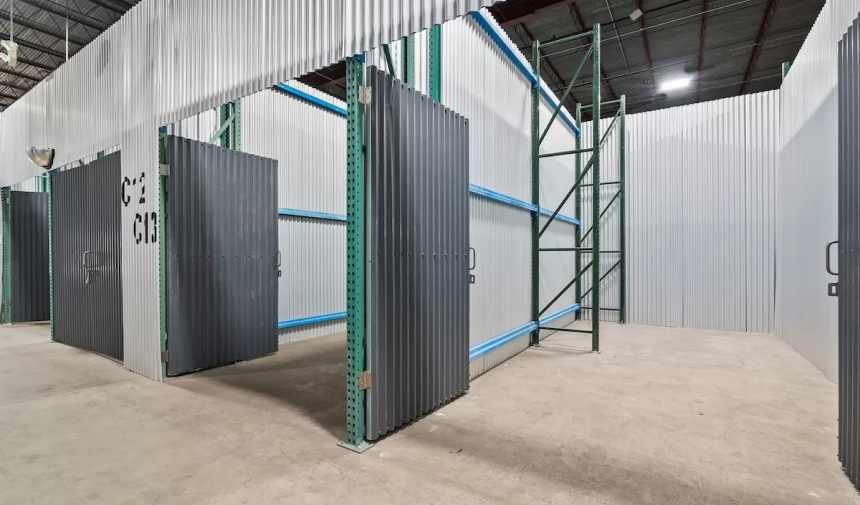
CoWarehousing Benefits
Cost Savings
Renting warehouse space in a shared facility can be a cost-effective alternative to leasing a traditional warehouse.
Flexibility
Cowarehousing offers flexible lease terms and the ability to scale up or down as your needs change, without long-term commitment.
Networking Opportunities
Sharing a facility allows you to interact with other like-minded businesses and create valuable networking opportunities and potential partnerships.
Shared Amenity & Resource Access
Cowarehousing facilities often come equipped with essential resources and amenities streamlining operations for all businesses within the facility, such as loading docks, forklifts, and Wi-Fi.
Tips for Successful CoWarehousing
To make the most of your cowarehousing experience, consider the following tips:
Choose the right co-warehousing provider:
Look for a provider like ReadySpaces that offers a wide range of services, flexible lease terms, and a strong track record of satisfied customers.
Maximize space efficiency:
Efficiently utilizing your allocated space is crucial for co-warehousing success. Invest in high-quality storage solutions, such as pallet racking and shelving systems, and hire a professional to help with space planning.
Collaborate and communicate with other tenants:
Open communication and cooperation with fellow tenants can lead to a more productive and enjoyable cowarehousing experience. Sharing best practices, resources, and insights can help everyone in the facility succeed.
Customize your space to fit your needs:
While cowarehousing spaces are often designed for general use, adapting the area to fit your specific business needs is essential. This may involve adding partitions, installing additional storage systems, or setting up dedicated workstations for your team.