Raleigh-Durham Industrial & Warehouse Market Report | Q1 2026
Key Takeaways
- Raleigh-Durham’s industrial warehouse market is one of the strongest in the Southeast, with overall vacancy between 6.4–6.9% — well below the 7.0% national average. The Triangle absorbed 4.4 million SF in 2025, the highest total since 2020, driven by large-format logistics and life sciences demand.
- Asking rents rose 7.0% year-over-year, among the strongest rent growth rates nationally. Average warehouse rents range from $10–13/SF NNN depending on product type and submarket, with Cary commanding the highest rates in the metro.
- The construction pipeline surged to 5.6 million SF in Q1 2026 (up from 2.2 million in Q4 2024), adding new supply pressure. But leasing velocity is keeping pace — 7 million SF was leased in 2025, with multiple 400,000+ SF transactions.
- Large-box product (500,000+ SF) is extremely tight at just 2.0% vacancy, down 3% year-over-year. The RTP/I-40 corridor and Eastern Wake County are the strongest submarkets. Browse Raleigh warehouse listings on WareCRE.
~6.5%
Overall Vacancy
+7.0%
Rent Growth (YoY)
4.4M
SF Absorbed (2025)
2.0%
Large-Box Vacancy (500K+ SF)
Raleigh-Durham’s industrial warehouse market is outperforming most Sun Belt peers. While markets like Charlotte and Phoenix grapple with oversupply, the Triangle maintains below-average vacancy, strong rent growth, and consistent absorption driven by the metro’s unique economic engine: Research Triangle Park’s life sciences cluster, advanced manufacturing, and a growing logistics base serving the Southeast’s most educated workforce.
For businesses looking for warehouse space in Raleigh-Durham, the market is competitive but not prohibitively tight. Vacancy around 6.5% means options exist, but the best product — particularly modern distribution space along the I-40 corridor — moves quickly. Rents are growing faster than most peers, and the construction pipeline is expanding, which could ease conditions by late 2026. Here’s the full picture.
Market Snapshot: Q1 2026
| Metric | Q1 2026 | Context |
|---|---|---|
| Overall vacancy | 6.4–6.9% | Below national avg. (7.0%); rose ~2.9% YoY |
| Large-box vacancy (500K+ SF) | 2.0% | Down 3% YoY; major deals closing |
| Asking rent growth | +7.0% YoY | Among strongest nationally |
| Avg. asking rent range | $10–13/SF NNN | Varies by product; Cary highest |
| Net absorption (2025) | 4.4M SF | Highest since 2020 |
| Under construction | 5.6M SF | Up from 2.2M in Q4 2024; expanding |
Rent Trends: Outpacing the Southeast
Raleigh-Durham asking rents grew 7.0% year-over-year in Q1 2026, making the Triangle one of the fastest-appreciating industrial markets in the country. Average industrial rents range from $10–13/SF NNN depending on product type, with modern Class A distribution product at the high end and older second-generation space at the low end. Cary sustained the highest asking rates in the metro, reflecting its combination of tight supply and premium tenant demand.
Some quarter-over-quarter pricing softness appeared as Class B and C properties made up a larger share of available inventory. But the year-over-year trend remains strongly positive, supported by limited existing supply and consistent demand from the Triangle’s diversifying economy. Flex and R&D space commands premium pricing, driven by the metro’s life sciences cluster.
For Tenants
Raleigh-Durham is tighter than the headline number suggests. Large-box space is essentially unavailable at 2.0% vacancy, and rent growth at 7% YoY means the cost of waiting is real. The construction pipeline is expanding (5.6M SF), which should bring more options by late 2026 — but pre-leasing on new product is competitive. Eastern Wake County is seeing the strongest new absorption if you’re looking for available product. Search Raleigh warehouse listings on WareCRE.
Construction Pipeline: Expanding Rapidly
The Triangle’s construction pipeline surged to 5.6 million SF in Q1 2026, up from just 2.2 million SF in Q4 2024 — a significant acceleration that reflects developer confidence in the market’s demand fundamentals. Activity is concentrated in the I-40 corridor and eastern submarkets where land availability and transportation access align.
The expanding pipeline is worth monitoring. While current leasing velocity has been strong enough to absorb new deliveries, 5.6 million SF represents meaningful new supply for a market of Raleigh-Durham’s size. If leasing momentum slows, vacancy could rise from current levels. For now, however, pre-leasing demand remains healthy and the pipeline is responding to genuine tenant need rather than pure speculation.
For Operators
Rent growth at 7% YoY gives you room to push, but the expanding pipeline means new competition is coming. The flight-to-quality dynamic that’s reshaping markets nationally plays out here too — modern product with higher clear heights and better power infrastructure commands significant premiums. If you own older product, now is the time to invest in upgrades or accept pricing pressure. Large-format space is performing exceptionally well at 2% vacancy.
Submarket Breakdown
RTP / I-40 Corridor
Research Triangle Park and the surrounding I-40 corridor remain the metro’s industrial center of gravity. Life sciences, pharmaceutical, and advanced manufacturing tenants anchor demand. Recent leasing activity reinforced this submarket’s fundamentals, and it maintains the most diversified tenant base. Asking rents for modern product: $11–14/SF NNN. Flex and R&D space commands additional premiums.
Eastern Wake County (Knightdale / Wendell / Zebulon)
The emerging growth corridor. Eastern Wake distinguished itself in Q1 2026 through tightening availability and notable absorption tied to several large occupancies. Available land and lower development costs relative to RTP make this the primary expansion area for logistics tenants. Modern distribution product: $9–11/SF NNN.
Cary / Morrisville
The metro’s tightest and most expensive industrial submarket. Proximity to RTP, SAS headquarters, and the tech corridor keeps demand consistently strong. Cary sustained the highest asking rates in the metro — modern flex and light industrial space can exceed $14/SF NNN. Very limited new supply.
Durham / I-85 Corridor
Durham’s industrial market serves both the logistics and life sciences sectors, with biotech-related warehouse and lab support demand growing. The I-85 corridor provides north-south distribution access. Older product offers more affordable options ($8–10/SF NNN), while modern spec development along I-85 commands $10–12/SF.
| Submarket | Vacancy | Rent Range (NNN/SF) | Q1 2026 Profile |
|---|---|---|---|
| RTP / I-40 Corridor | Tight | $11–$14+ | Life sciences, flex, R&D demand |
| Eastern Wake County | Tightening | $9–$11 | Growth corridor, logistics absorption |
| Cary / Morrisville | Very tight | $12–$14+ | Metro’s priciest; tech/flex premium |
| Durham / I-85 | Moderate | $8–$12 | Biotech support, logistics, mixed vintage |
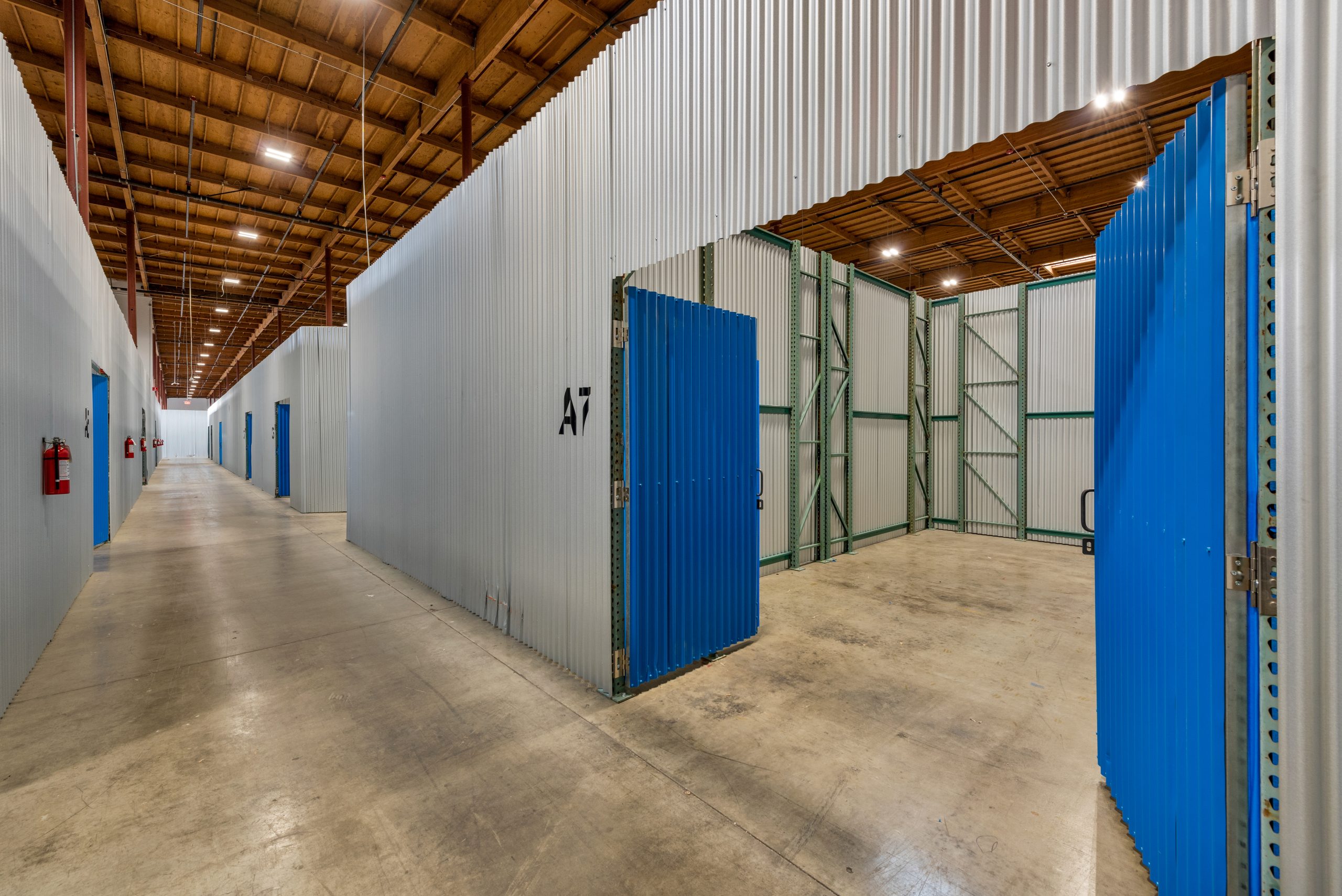
Co-Warehousing & Flexible Warehouse Space in Raleigh-Durham
The Triangle’s flexible warehouse market serves one of the most dynamic startup and small business economies in the Southeast. Warehouse and industrial space was the second most searched category (26% of searches) on tenant platforms in Q1 2026, reflecting the metro’s growing demand for operational space alongside its knowledge-economy core.
Who’s leasing flexible space in Raleigh-Durham: Life sciences and biotech companies needing lab-adjacent warehouse and cold storage, e-commerce businesses serving the Southeast, technology hardware companies in the RTP corridor, construction trades supporting the metro’s aggressive residential growth, and food and beverage distributors serving the Triangle’s expanding population.
Browse available co-warehousing and small-bay warehouse listings on WareCRE’s Raleigh marketplace.
Looking for warehouse space in Raleigh-Durham?
Key Trends to Watch
1. Life Sciences Drives Differentiated Demand
Raleigh-Durham’s life sciences cluster — anchored by Research Triangle Park, Duke, UNC, and NC State — creates industrial demand that doesn’t exist in most logistics-focused markets. Pharmaceutical distribution, cold-chain storage, lab support space, and biotech manufacturing all require specialized warehouse product with higher specs and finish levels. This demand is less cyclical than pure logistics and supports premium pricing. For broader context: Industrial Real Estate Trends & Outlook 2026.
2. The Small-Bay Segment Remains Structurally Tight
While the construction pipeline has expanded to 5.6 million SF, the vast majority is large-format logistics product. Small-bay and flex space under 50,000 SF remains undersupplied relative to demand, particularly in the Cary/Morrisville and RTP corridors where land costs make spec small-bay development economically challenging. This mirrors the national trend: Small-Bay vs. Big-Box: What the Vacancy Gap Means in 2026.
3. Population Growth Fuels Distribution Demand
The Triangle is adding population faster than most US metros, with projections of 500,000+ new residents in the coming years. Apple’s $1 billion campus, tech employment growth of 50,000+ jobs, and ongoing corporate relocations are all generating secondary warehouse demand for distribution, fulfillment, and service operations. As supply chains reconfigure around tariff uncertainty, the Triangle’s educated workforce and Southeast positioning strengthen its appeal. See: How Tariffs Are Reshaping Warehouse Demand in 2026.
Outlook: What to Watch in Q2–Q3 2026
Raleigh-Durham’s industrial market enters mid-2026 in strong position, but the expanding construction pipeline introduces a variable that bears watching.
Expect vacancy to rise modestly toward 7–8% as the 5.6 million SF pipeline delivers through 2026. This is a normalization, not a correction — the market has been unusually tight.
Rent growth should moderate from 7% but remain positive, supported by limited existing supply in premium submarkets and consistent demand from the life sciences and logistics sectors.
The biggest opportunity is for tenants who can time their search to coincide with new deliveries in Eastern Wake County, where absorption has been strong and more modern product is coming online. For small-bay and flex tenants, the RTP and Cary corridors will remain tight and expensive.
Find warehouse space in Raleigh-Durham
Browse co-warehousing, small-bay, and distribution listings across the Triangle.
Data sources: CBRE Raleigh-Durham Industrial Figures Q1 2026, Avison Young Raleigh-Durham Industrial Market Report Q4 2025, TenantBase Raleigh-Durham Q1 2026, Cushman & Wakefield U.S. Industrial MarketBeat Q1 2026, WareCRE marketplace data (May 2026).
Related Resources
Frequently Asked Questions
What is the current industrial vacancy rate in Raleigh-Durham?
Raleigh-Durham’s overall industrial vacancy is approximately 6.4–6.9% as of Q1 2026, below the national average of 7.0%. Large-box space (500,000+ SF) is extremely tight at just 2.0% vacancy. The market absorbed 4.4 million SF in 2025, the highest total since 2020.
How much does warehouse space cost in Raleigh-Durham?
Average warehouse asking rents in the Triangle range from $10–13/SF NNN as of Q1 2026, with 7% year-over-year growth. Cary and Morrisville command the highest rates ($12–14+/SF), while Durham and Eastern Wake County offer more competitive pricing ($8–11/SF). Flex and R&D space near RTP commands additional premiums.
What makes Raleigh-Durham different from other warehouse markets?
The Triangle’s life sciences cluster (anchored by Research Triangle Park, Duke, UNC, and NC State) creates differentiated industrial demand — pharmaceutical distribution, cold-chain storage, and biotech manufacturing — that most logistics-focused markets don’t have. Combined with strong population growth and tech employment, this creates a more diversified and resilient demand base.
Which Raleigh-Durham submarket is best for warehouse space?
The RTP/I-40 corridor is the metro’s industrial center with life sciences and flex demand. Eastern Wake County (Knightdale, Wendell) is the primary growth corridor for logistics. Cary/Morrisville is the tightest and most expensive submarket. Durham/I-85 offers more affordable options with biotech support demand.